



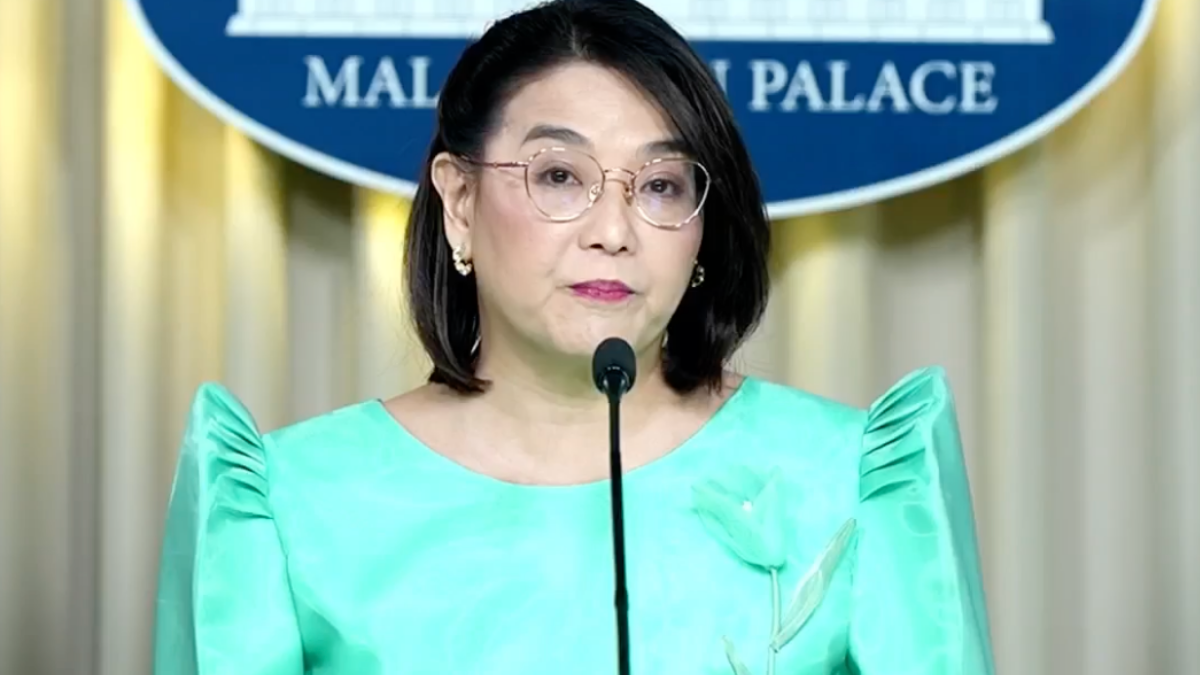

The Palace has drawn a firm line on the Senate’s remote voting debate, saying there is no current emergency that could justify allowing a fugitive senator to participate in sessions electronically.

Presidential Communications Undersecretary Claire Castro said Wednesday, May 27, that unlike during the COVID-19 pandemic, conditions today do not meet the threshold for force majeure.
“Before, online voting, Zoom meetings were allowed because we were facing a calamity then,” Castro told reporters. “This time, there is nothing we can describe as a force majeure, a calamity that will justify online voting.”
The debate centers on Sen. Ronald dela Rosa, who holds an International Criminal Court arrest warrant for crimes against humanity linked to the previous administration’s drug war. Senate President Alan Cayetano’s majority bloc has pushed to amend chamber rules to allow remote participation for senators with “justifiable” reasons for absence — a move that triggered a minority walkout late Tuesday, May 26.

Castro stopped short of opposing the amendment outright, saying the decision ultimately rests with the Senate. “Still, the decision is up to them. It is not for the administration or the President to decide,” she said.
Former Senate president Franklin Drilon called the majority’s move an abuse of discretion. “This has never happened in the past. They just railroaded everything in this regard in disregard of parliamentary practices,” he said, adding that the minority could elevate the matter to the Supreme Court if the amendment passes.
Ateneo de Manila law professor Mel Sta. Maria argued the push was unconstitutional, noting the 1987 Constitution’s framers had no concept of remote participation when they mandated that the impeachment trial “shall forthwith proceed.”
The stakes are high: as judges in Vice President Sara Duterte’s impeachment trial, senators will eventually vote to acquit or convict — and who gets to cast that vote, and how, remains unresolved.
