



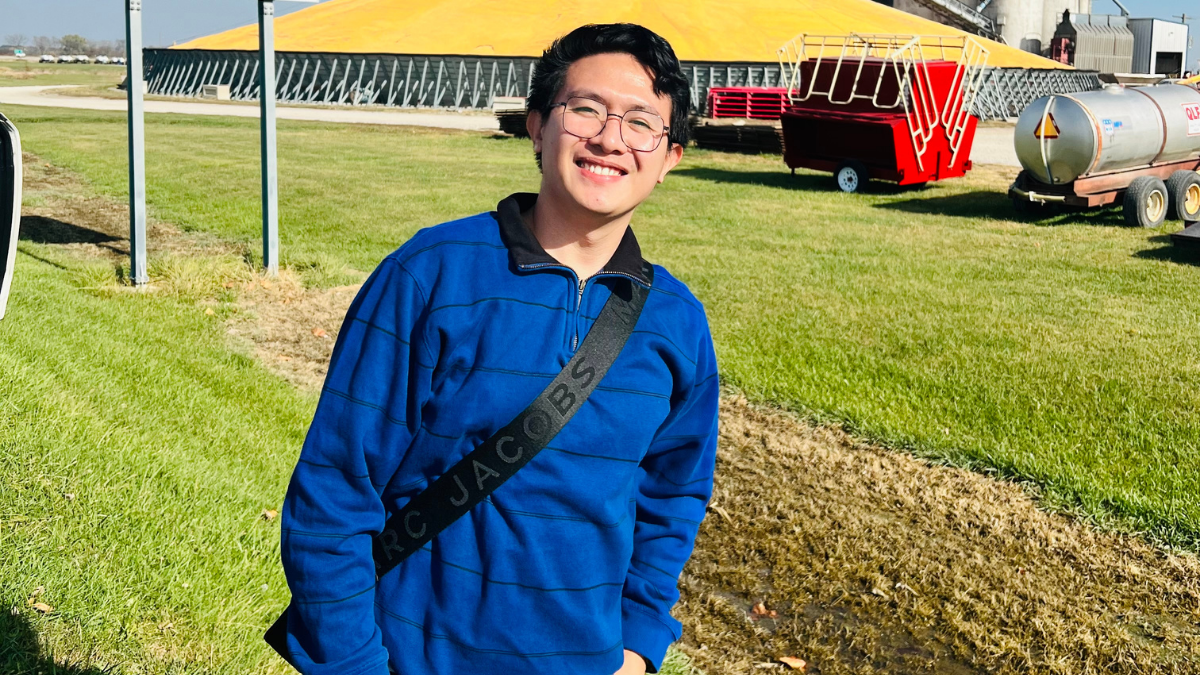

Nobody grows up wanting to be poor. But some people grow up learning, through poverty itself, exactly what they are made of.

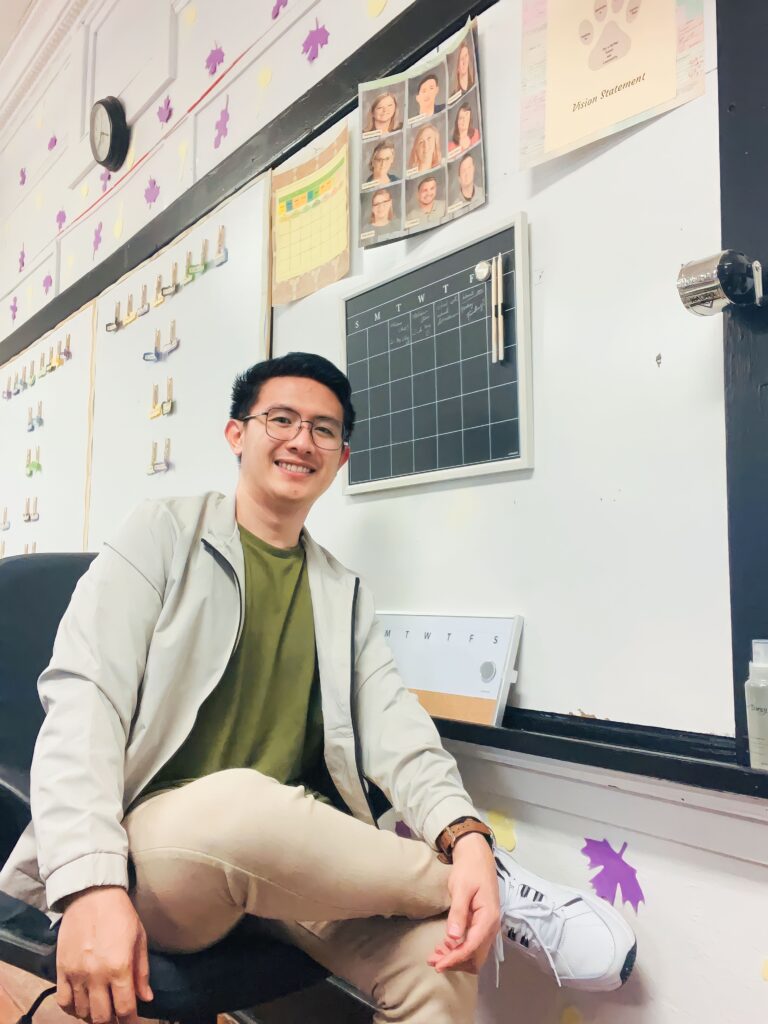
Dr. Jairoh Nicolas Taracina was raised in a household where his father cast nets into the sea and his mother took in sewing to keep nine children fed. He did not come from connections or comfort. He came from Quezon Province, from a family that ran on faith and hard work, and from a classroom — first as a student desperate for a way out, and later as a teacher determined to widen that same door for others. Today, at 29, he stands before a class of middle school and high school students in Craig, Missouri, teaching them Mathematics and, in his own quiet way, something harder to measure.
A doctorate and a dream deferred
Before the United States, there were years of grinding, unglamorous work. Dr. Jairoh spent years as a public school teacher under the Department of Education in the Philippines, then moved into college instruction, handling Mathematics and Professional Education subjects while squeezing time for educational trainings and community programs. Along the way, he earned a Doctor of Philosophy in Educational Leadership and Management, major in Mathematics Education — not in ideal conditions, but while working full-time and supporting his family.
“One of the highlights of my career so far is seeing students grow not only academically but also personally,” he shares with TGFM. “Another meaningful milestone for me was completing my Doctor of Philosophy degree… while continuing to work and support my family despite many struggles along the way.”
The degree was not just academic achievement. For someone from his background, it was proof of a thesis he had been quietly defending his whole life: that where you come from does not have to determine where you end up.
One initiative during those Philippine years stands out. Dr. Jairoh helped establish a Computer Literacy Program for out-of-school youth in Quezon Province — young people who had never touched a keyboard, encountering technology for the first time through a program he helped build. He also taught a learner who was 72 years old. “That experience reminded me that education truly has no age limit,” he reflects.
Landing in Missouri
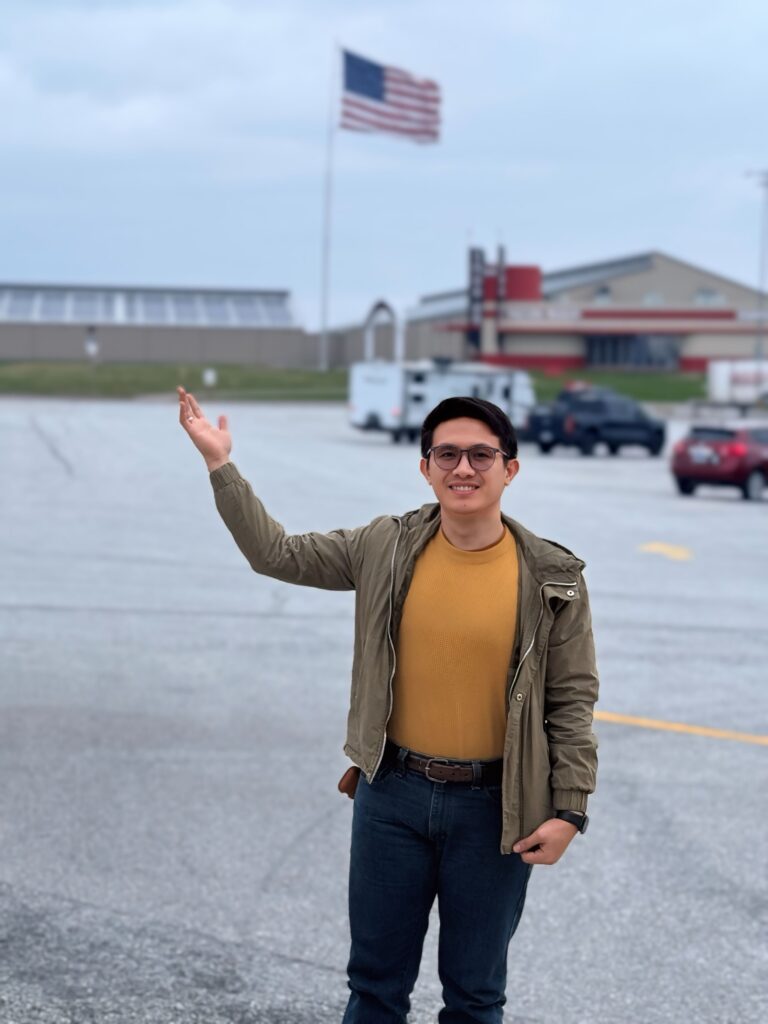
In 2023, Dr. Jairoh joined the Greenheart Exchange Program and arrived in Craig, Missouri, as an international educator — his first job overseas and, by his account, the natural continuation of a career built on showing up for students others might overlook. He teaches Mathematics, runs the Math and Chess Club, and helps organize academic competitions and enrichment programs. He also serves as Treasurer of Team Craig, a local community organization, extending his sense of service well beyond school hours.
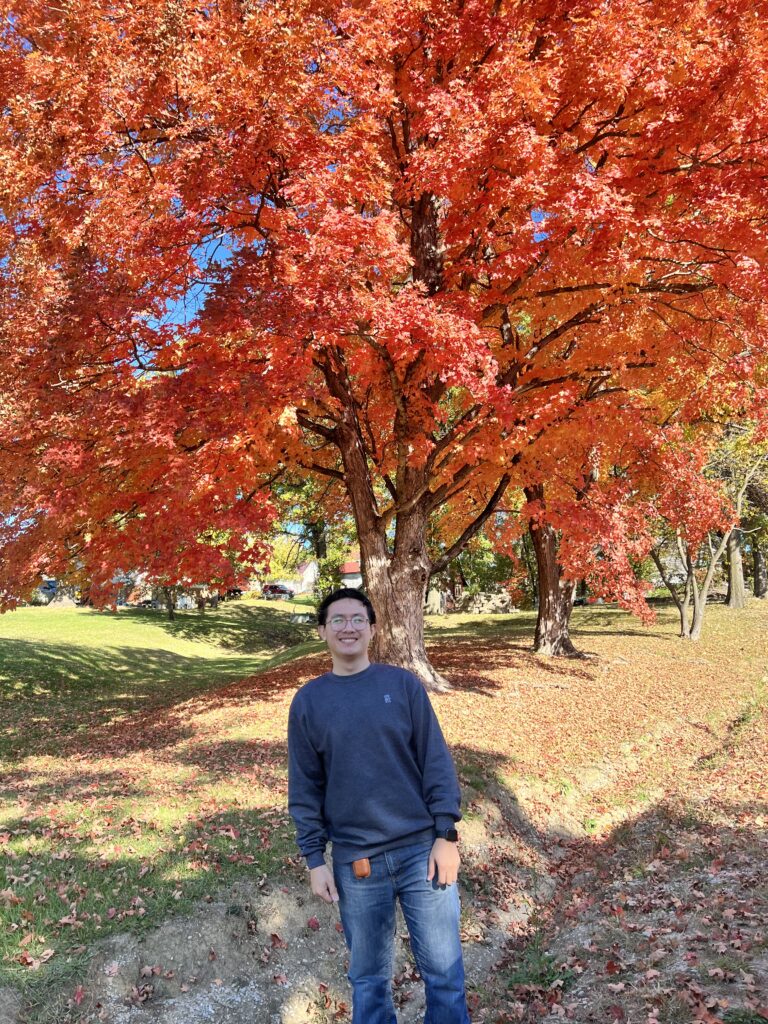
His role carries a dimension that goes beyond lesson plans. As part of the exchange program, he functions as a cultural ambassador — someone tasked with representing the Philippines not through speeches or ceremonies, but through daily conduct. “No matter where we go, we carry our culture, values, and identity with us,” he says.

The first months were not seamless. Homesickness hit hard, especially around holidays and family occasions when the distance became most tangible. There were moments of self-doubt, financial adjustment, and the specific loneliness of navigating a new country alone. “There were times when I questioned myself if I was strong enough to continue,” he admits. What kept him going was a combination of prayer, family support, and the example of other Filipinos abroad who remained grounded despite their own difficulties.
What success actually looks like
Ask Dr. Jairoh what the most satisfying part of his work is, and his answer is immediate: students who once struggled raising their hands with confidence. A student saying, casually, “Math is becoming easier now.”
“Simple moments such as students saying, ‘Math is becoming easier now,’ or seeing them enjoy learning are already priceless for me as an educator,” he says.
For someone who carries a doctorate and has built programs from scratch, the benchmark he returns to is stubbornly human. He is not measuring himself by titles or recognition. He is measuring himself by whether the students in front of him believe, a little more than they did before, that they are capable.
That sense of purpose extends into his plans for the future. He hopes to continue building educational and community-based initiatives — programs tied to youth development, digital literacy, and outreach for underserved communities. He has already been involved in volunteer efforts and community pantry planning in Missouri, work that mirrors the same instinct that led him to that Computer Literacy Program back in Quezon Province years ago.
To fellow Filipinos navigating life abroad, his advice is precise and unsentimental: “Be wise financially, protect your peace, value trustworthy relationships, and never lose your humility no matter how successful you become.” He adds that success overseas is not only about remittances sent home. It is also about who you become in the process.
Behind every achievement, Dr. Jairoh believes, is a network of people who believed first — parents who sacrificed, teachers who guided, communities that held. That belief shapes not just how he tells his own story, but how he shows up each morning in a Missouri classroom, in a town far from the sea where his father once cast his nets.
He is still, in a very real sense, casting something. He is just doing it with different tools now.
