



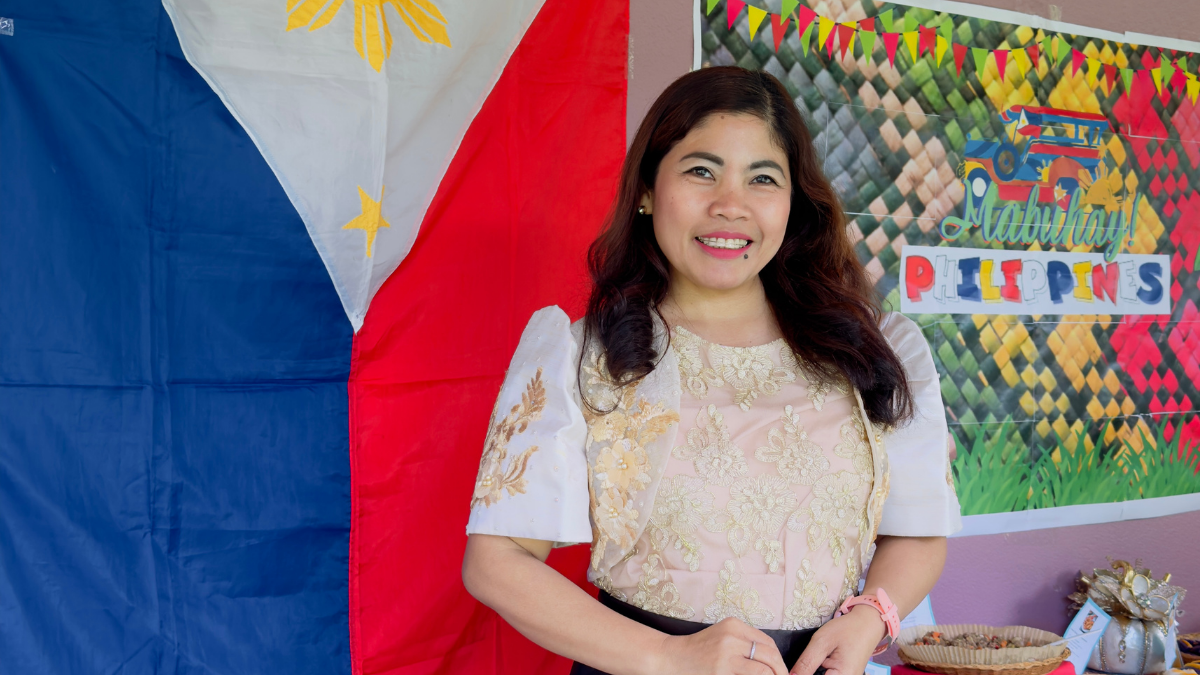

Special education is one of the most demanding corners of teaching — and one of the least understood. From the outside, it can look like patience alone. From the inside, it is a daily negotiation between hope and heartbreak, between what a child is told they cannot do and what a teacher quietly refuses to believe.

Joje Martinez Dahan has been living inside that negotiation for years. At 43, the Filipina educator works as a Special Education Teacher at Rising Star SpEd Academy in Hayward, California, under the J1 cultural exchange teaching program — a role that demands as much emotional intelligence as it does professional skill. But earlier this year, her work earned her something she did not expect: a first.
A recognition no one had claimed before
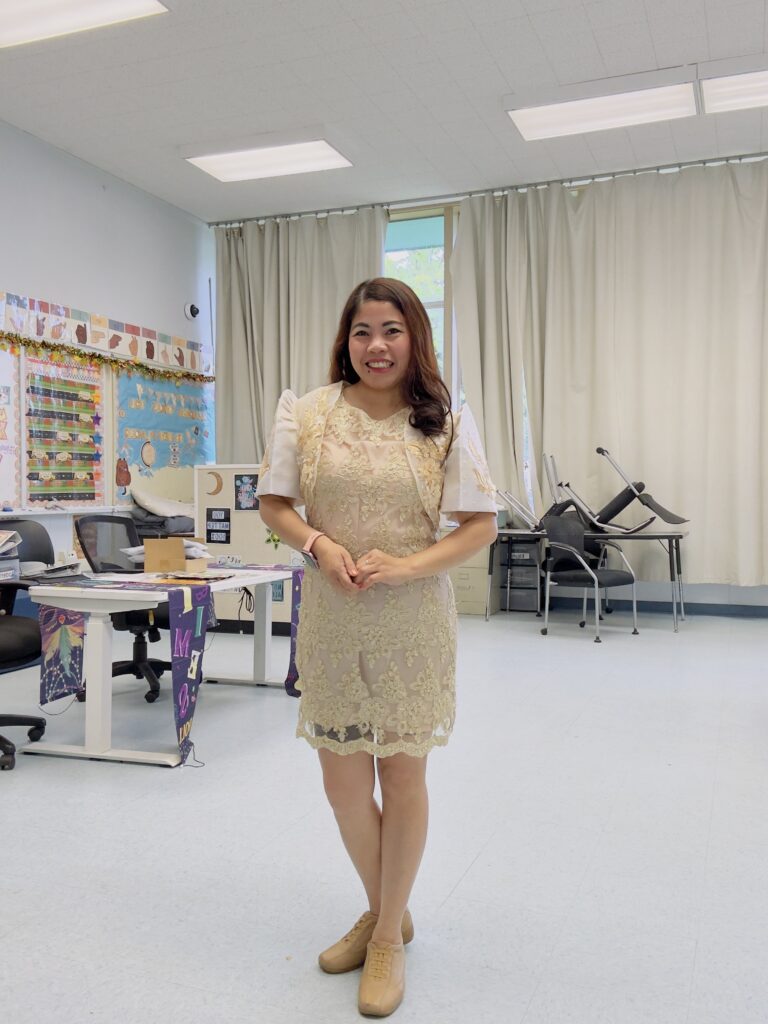
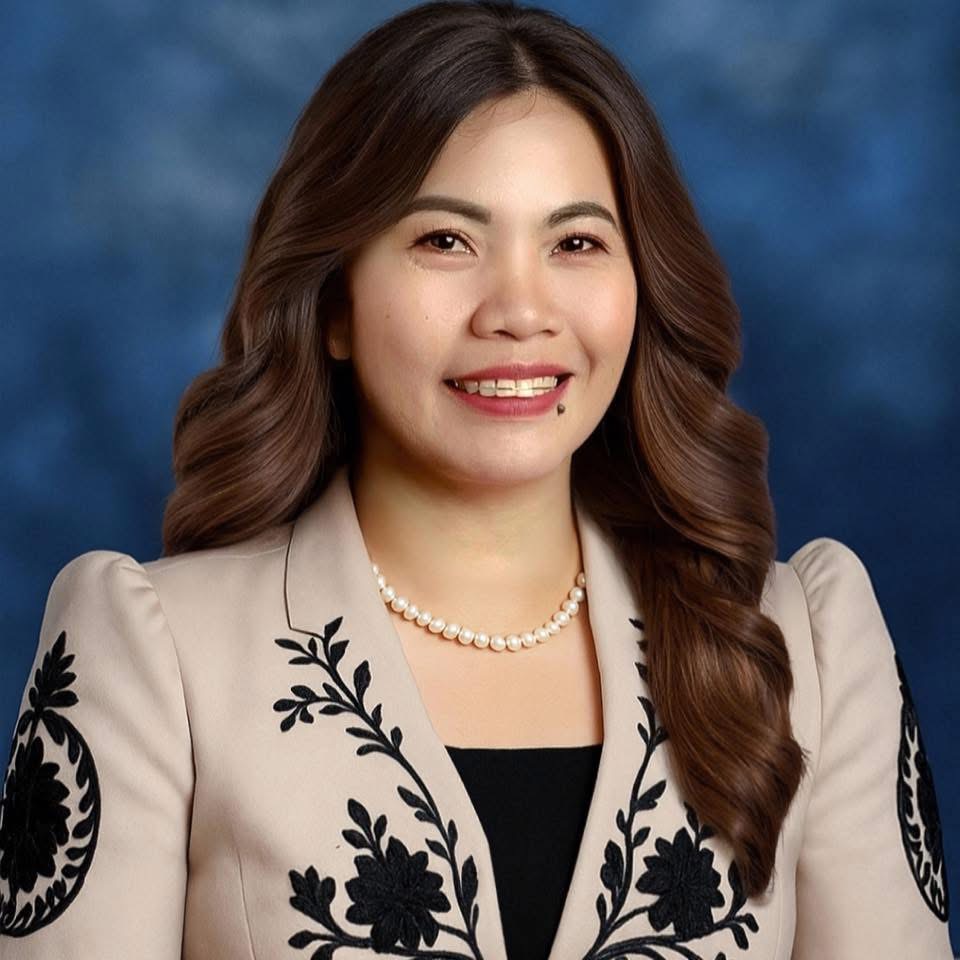
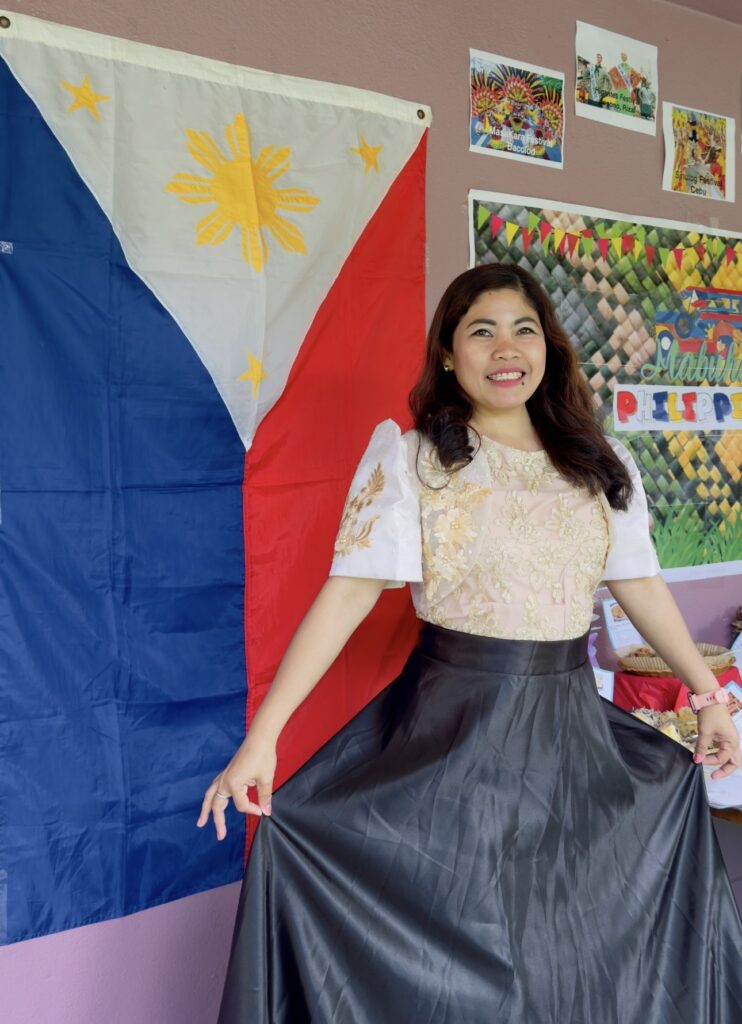
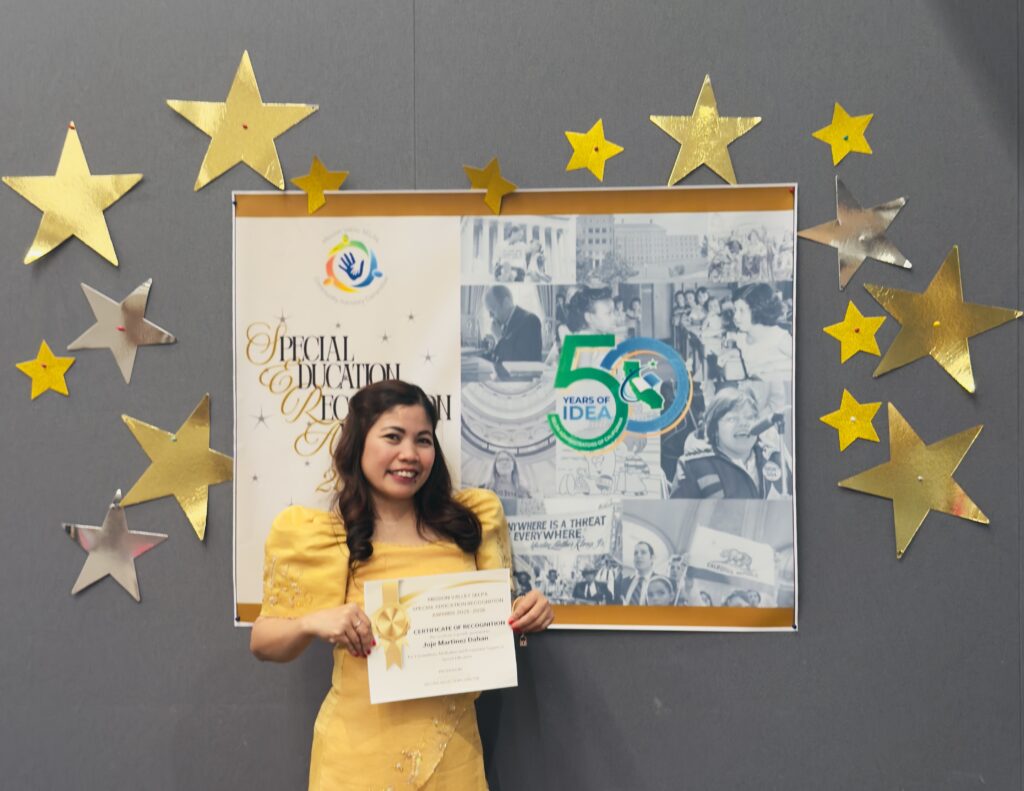
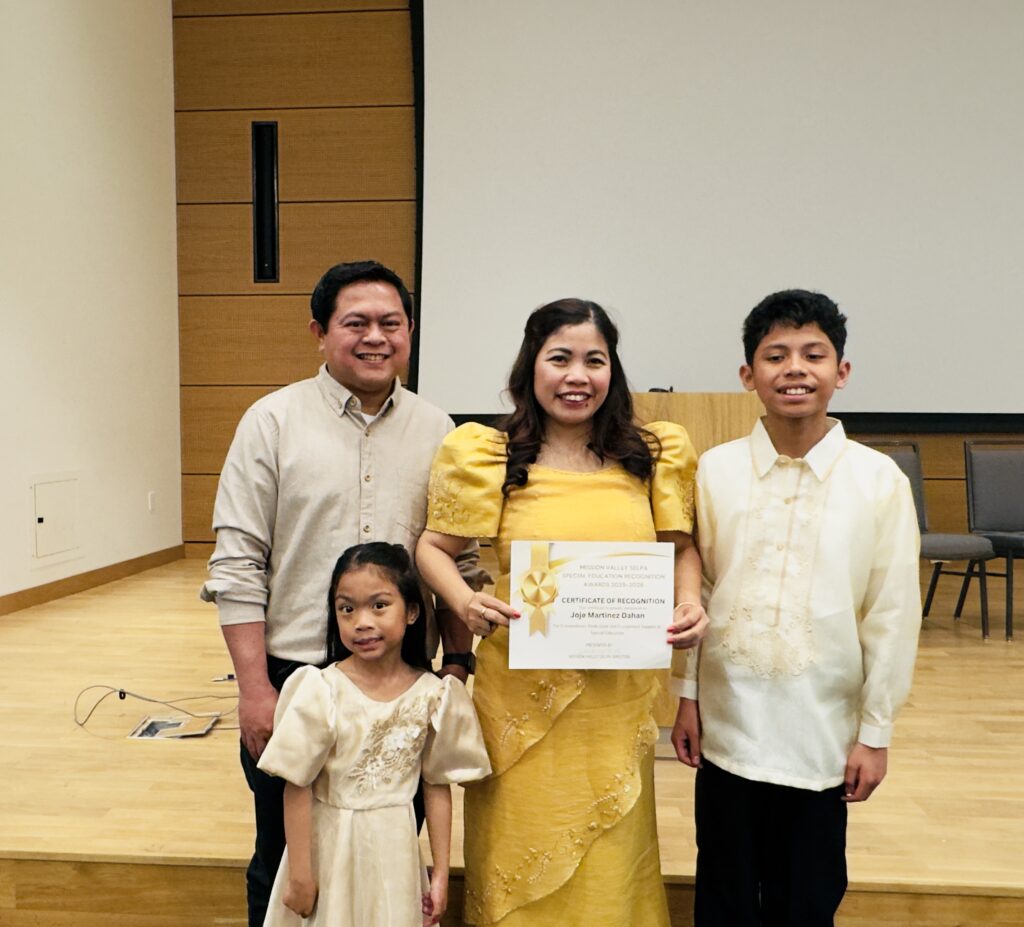
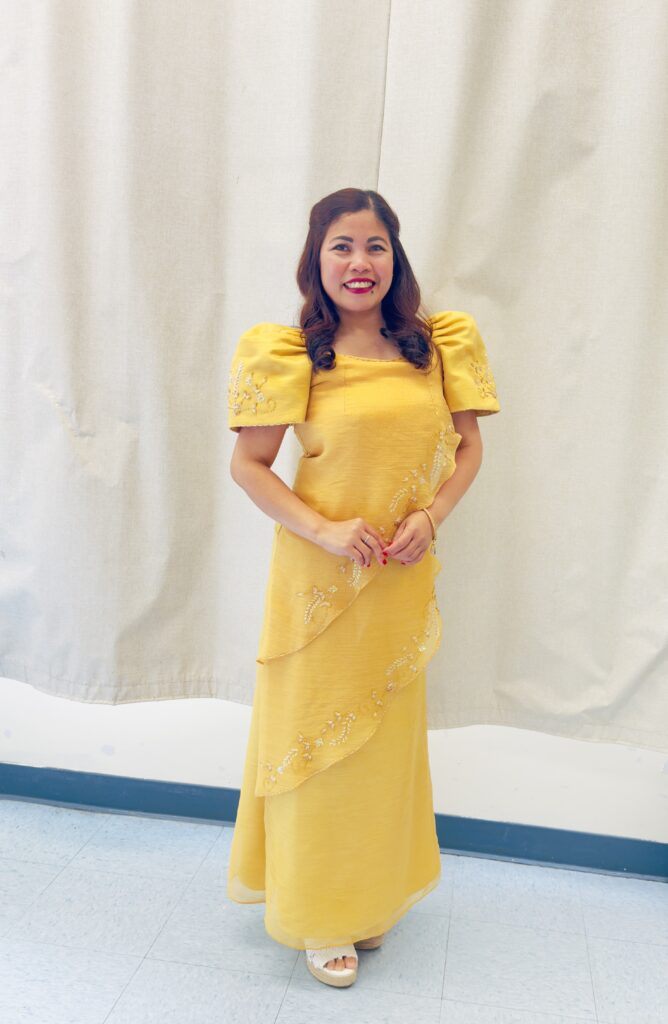
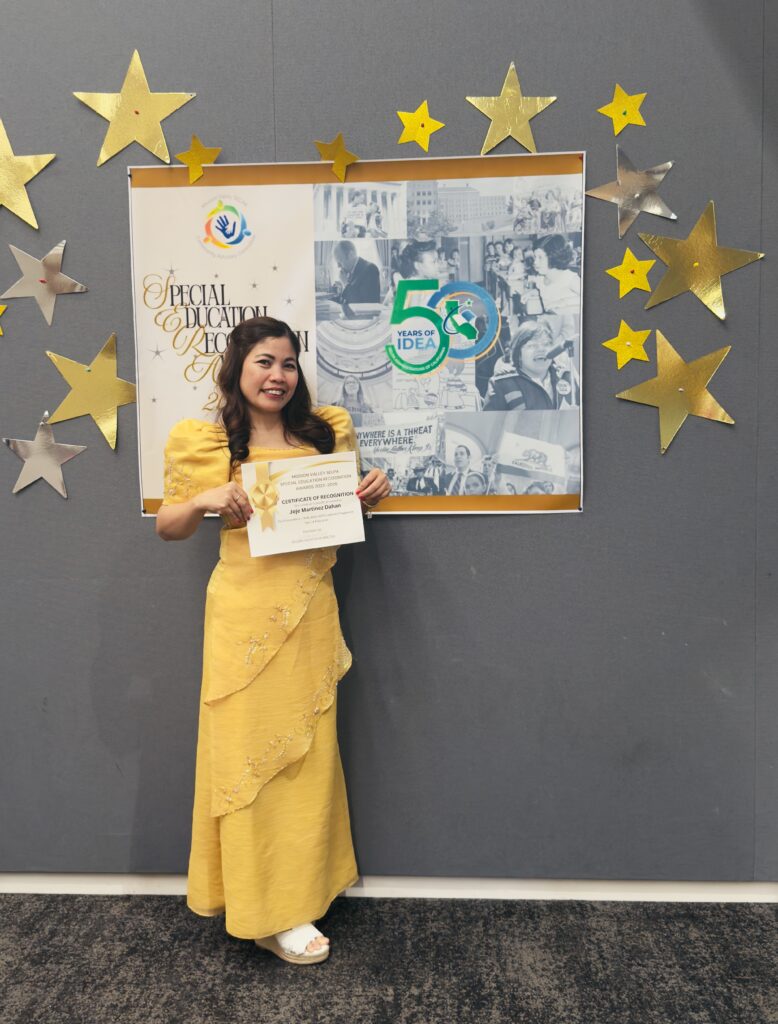
On March 4, 2026, Joje became the recipient of the SERA — the Special Education Recognition Award — making her the first awardee in Rising Star SpEd Academy’s history since the school was established, and the first Filipino J1 teacher to receive the honor.
The ceremony carried real weight. Special Services Directors from three districts, alongside superintendents, presented the nominees’ achievements, shared parent recognition remarks, and formally awarded the certificates. For Joje, the timing added a layer of personal significance — her birthday falls on May 2, close enough to make the milestone feel like a gift she hadn’t asked for.
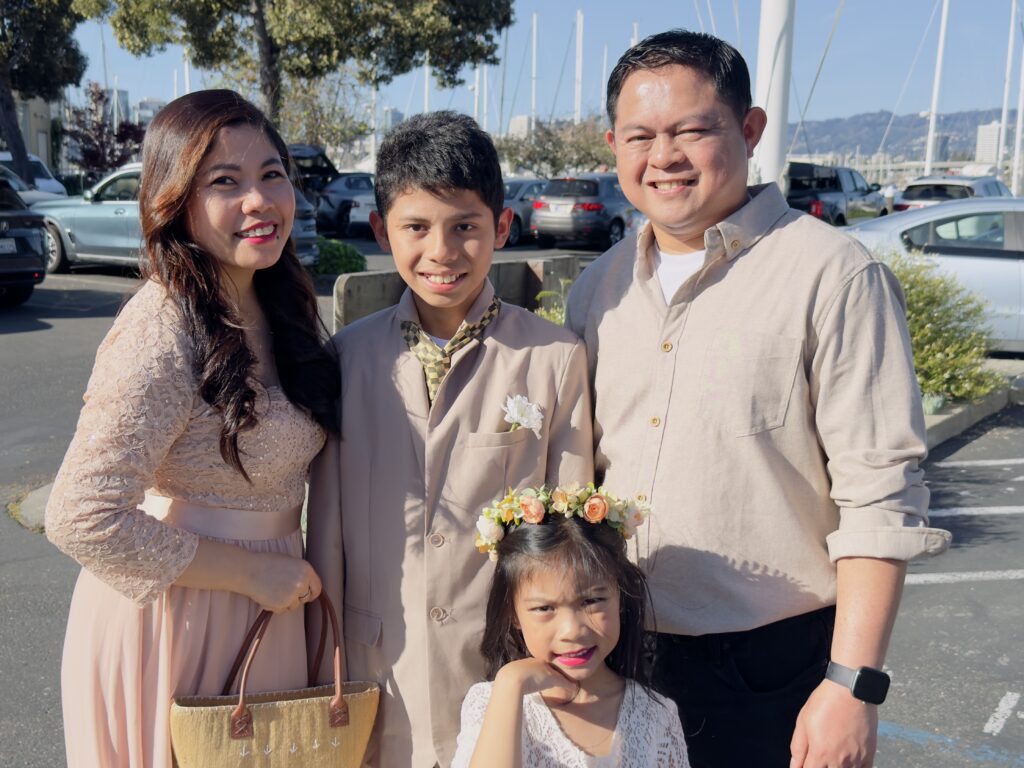
What made it even more meaningful was who was in the room. Her husband Jovan, and their two children — Jethro, 11, and Jethren, 5 — were there with her.
“More than the recognition itself,” she says, “the greatest fulfillment comes from seeing my students grow, gain confidence, and achieve milestones that many thought were impossible.”
Why she crossed the ocean
Joje’s path to California follows a route familiar to many Overseas Filipino Workers — ambition threaded through sacrifice, opportunity weighed against distance from home. She came abroad to expand professionally and to build better for her family. What she found was that those two goals could not be separated from a third: proving, on an international stage, what Filipino educators are capable of.
“Filipinos are naturally hardworking, compassionate, and resilient,” she says, “and I wanted to prove that we can excel anywhere in the world.”

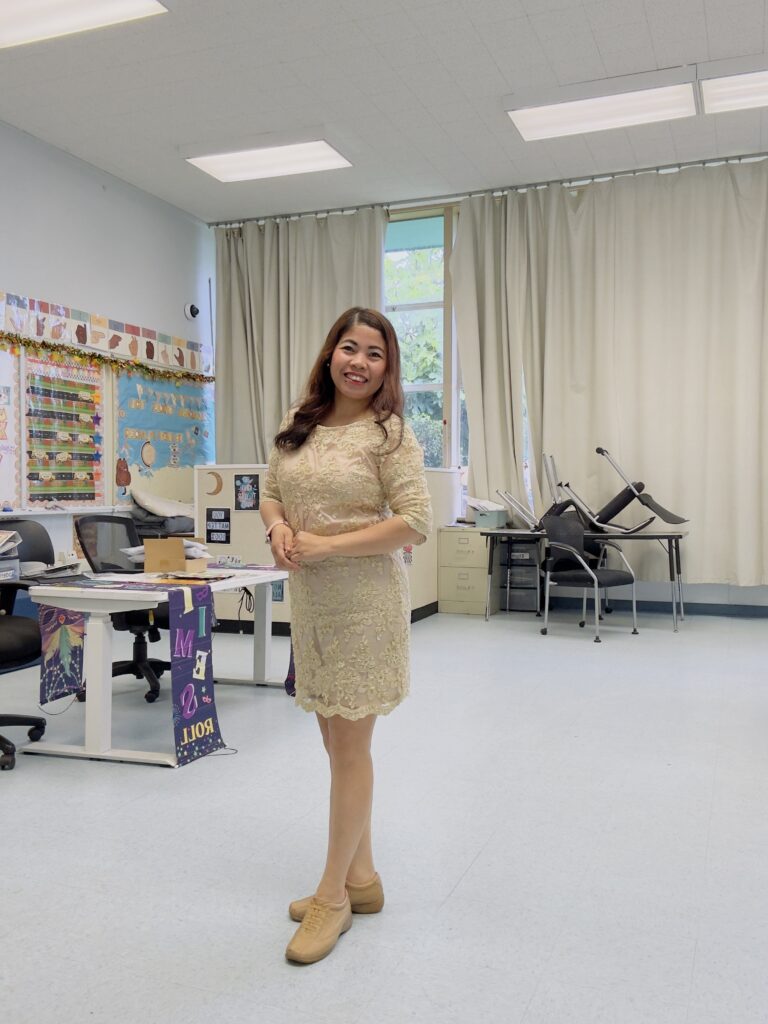
She had built her foundation in the Philippines, developing her approach to inclusive education, student support, and the particular kind of advocacy that special education requires. Abroad, that foundation was tested. She expanded into behavior intervention, vocational training, and individualized instruction — skills that don’t show up in lesson plans but live in the daily decisions a teacher makes in a classroom that doesn’t always run the way it should.
The adjustment was not easy. Homesickness, cultural differences, work pressure, and emotional exhaustion came with the territory. There were moments of self-doubt, particularly in difficult classroom situations. “I learned to overcome those struggles through prayer, determination, and maintaining a strong support system,” she says — family, friends, and fellow Filipinos who understood exactly what she was carrying.
Every child deserves to be seen
At the center of Joje’s work is a conviction that has not softened with experience: that every child, regardless of ability, deserves to be seen.
She designs individualized education programs, builds differentiated lesson plans, and tracks behavioral and social growth — but the work she describes most naturally is relational. She talks about building meaningful connections with students and families, about the small victories that accumulate into something transformative.
“Special Education is not just a profession for me — it is a calling,” she says. “Every day brings unique challenges, but it also brings meaningful victories.”
Those victories look different in her classroom than they might elsewhere. A student learning to communicate more clearly. A child gaining confidence in a task they’d been told was beyond them. Independence, earned in increments.
Looking ahead, Joje hopes to bring the skills and perspectives she has gained back into education in whatever form that takes — and to open doors for others. She wants to support aspiring Filipino educators and OFWs, to share her story honestly, and to keep advocating for students with special needs long after the J1 program concludes.
Her advice to fellow Filipinos abroad is grounded in the same practicality she brings to her classroom: “Stay focused, work hard, and protect your peace and dignity at all times. Success abroad is not only about earning money — it is also about personal growth, resilience, and becoming someone your family and community can be proud of.”
