



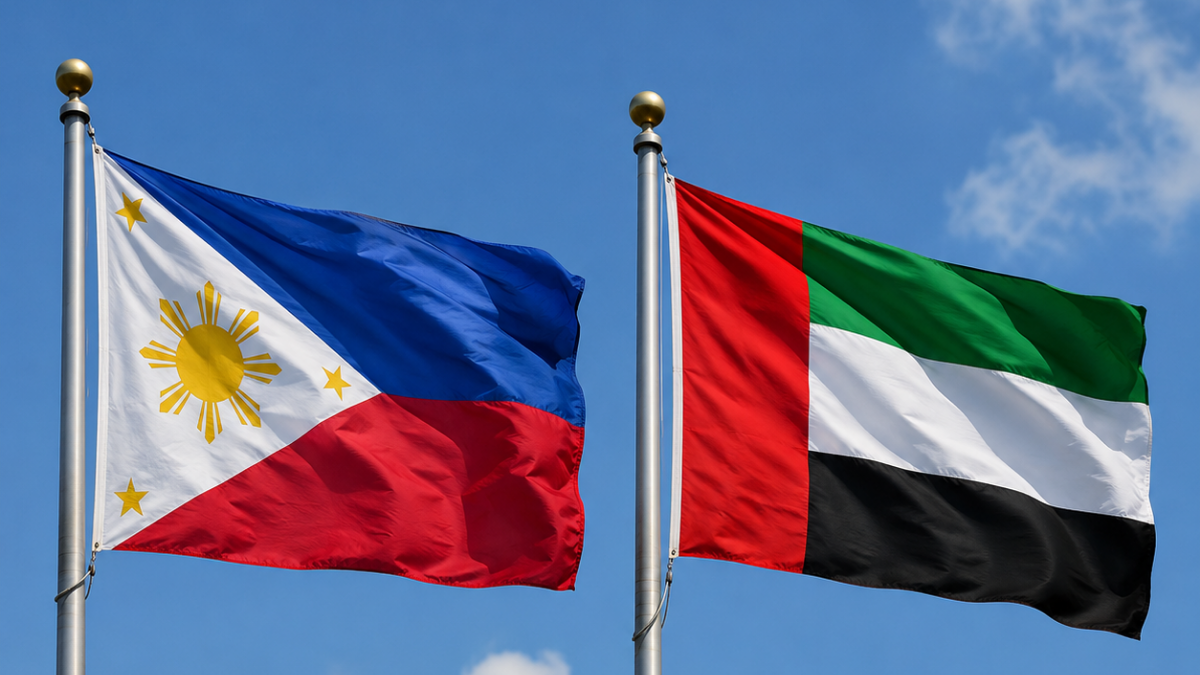

Health officials from the Philippines and the United Arab Emirates have committed to building a formal framework that would extend insurance protection to Filipino workers based in the Gulf state, with a particular focus on chronic illnesses that tend to go unaddressed while Filipinos are on overseas deployment.

The two governments are exploring a system that would allow the national insurance programs of both countries to shoulder the costs of check-ups and medical treatment for overseas Filipino workers in the UAE. The proposed framework also aims to promote early screening and regular medical consultations, recognizing that demanding work schedules and limited access to preventive care have left many OFWs vulnerable to unmanaged conditions.
The discussions took place during a Philippines-UAE bilateral meeting at the 79th World Health Assembly in Geneva, Switzerland on May 19, 2026, where Health Secretary Teodoro Herbosa and UAE Assistant Minister for Medical Affairs and Life Science Dr. Maha Barakat mapped out the initial steps toward the proposed collaboration.

Among the priorities the two sides identified was the need to strengthen health literacy among Filipino workers abroad. Hypertension and diabetes were singled out as conditions that Filipinos in the UAE frequently neglect, despite being among the most common chronic illnesses within the community.
Dr. Barakat, for her part, acknowledged the work Herbosa has been doing to advance the health welfare of Filipinos in the UAE. She also weighed in on the broader value of Filipino healthcare professionals globally, describing them as “world-class” and saying it is fitting that both governments share the responsibility of looking after their welfare. She added that both the UAE and the Philippines share the responsibility of protecting Filipino workers because of their major role in the global healthcare workforce.
The UAE is home to a large Filipino community employed across sectors including healthcare, hospitality, retail, and domestic services. The proposed insurance linkage, if formalized, would represent one of the more concrete bilateral commitments to OFW health protection in the region.
