



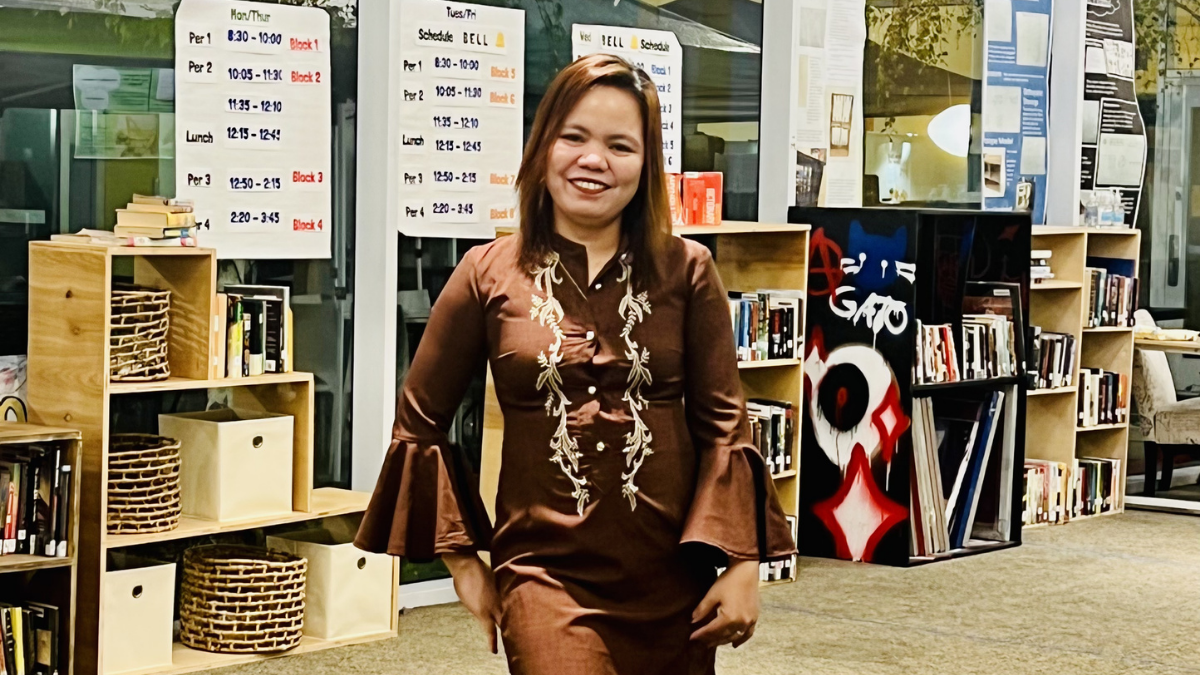

That’s the part nobody talks about when they celebrate OFWs and international workers: the quiet terror of being competent, respected, and established in one place, then having to prove yourself all over again somewhere else. It is a particular kind of courage — not the dramatic, headline-grabbing kind, but the slow, grinding kind that shows up every morning even when it doesn’t feel like enough. Maredy C. Melo knows that feeling well.

In 2021, after nearly two decades of teaching mathematics in the Philippines, Maredy packed up and moved to Oakland, California — not as a tourist, not on a whim, but as an international educator stepping into a system she had never taught in, in a country she had never lived in, raising her children far from everything familiar. She was in her late thirties. She started again from zero.
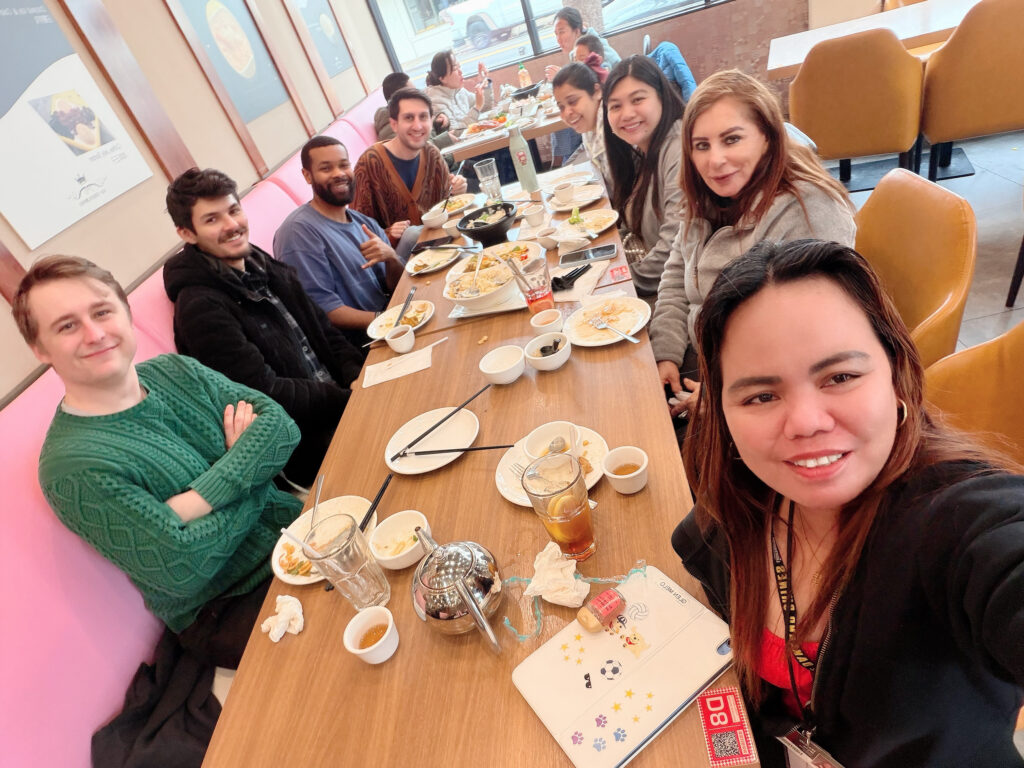
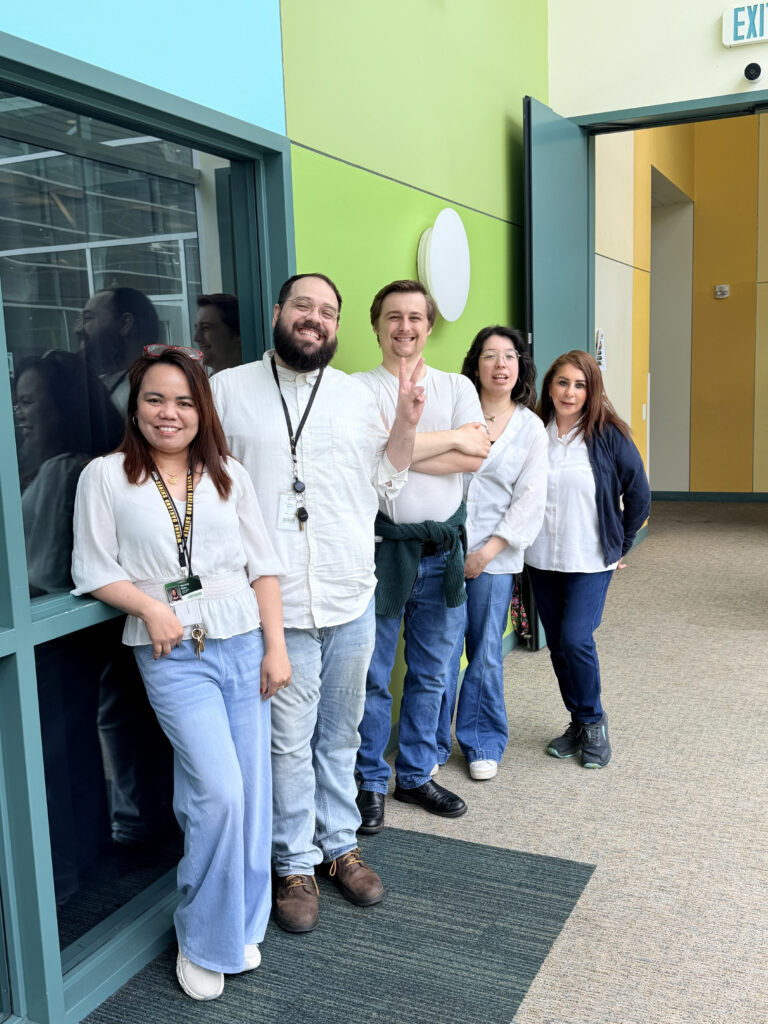
At Lighthouse Community Public Schools, she now teaches Grade 10 Integrated Math II and Grade 12 PreCalculus under the J-1 Exchange Visitor Teacher Program. The job description alone is demanding — lesson planning, curriculum development, assessment design, data-driven instruction. But Maredy also serves as a mentor teacher, coaching and observing resident teachers still finding their footing in the profession. It is, by any measure, a full plate. And she carries it alongside the responsibilities of motherhood, cultural adjustment, and the ongoing pursuit of a Doctor of Philosophy in Mathematics Education.
Two decades before Oakland
Before California, there was Surigao del Sur. Maredy spent many years at Jose Sanvictores Sr. National School, working her way from classroom teacher to Master Teacher II — a promotion that came not from luck but from years of instructional leadership, mentorship, and a genuine investment in the professional development of her peers. She coached students in mathematics competitions, facilitated teacher training workshops, led academic intervention programs, and conducted action research studies focused on improving how students understand and engage with mathematics.
It was a career that anyone would have been proud to continue indefinitely. And yet something kept pulling her toward something larger.
“I wanted to challenge myself by experiencing a different educational system, learning new teaching strategies, and growing both personally and professionally in an international environment,” she says. There was also a more grounded reason — the kind that drives most Filipino professionals abroad. She wanted better opportunities for her children, greater financial stability, and room to keep growing in her field. “Although the journey has not always been easy, it has strengthened my faith, perseverance, and commitment to education and service.”
What Oakland asked of her
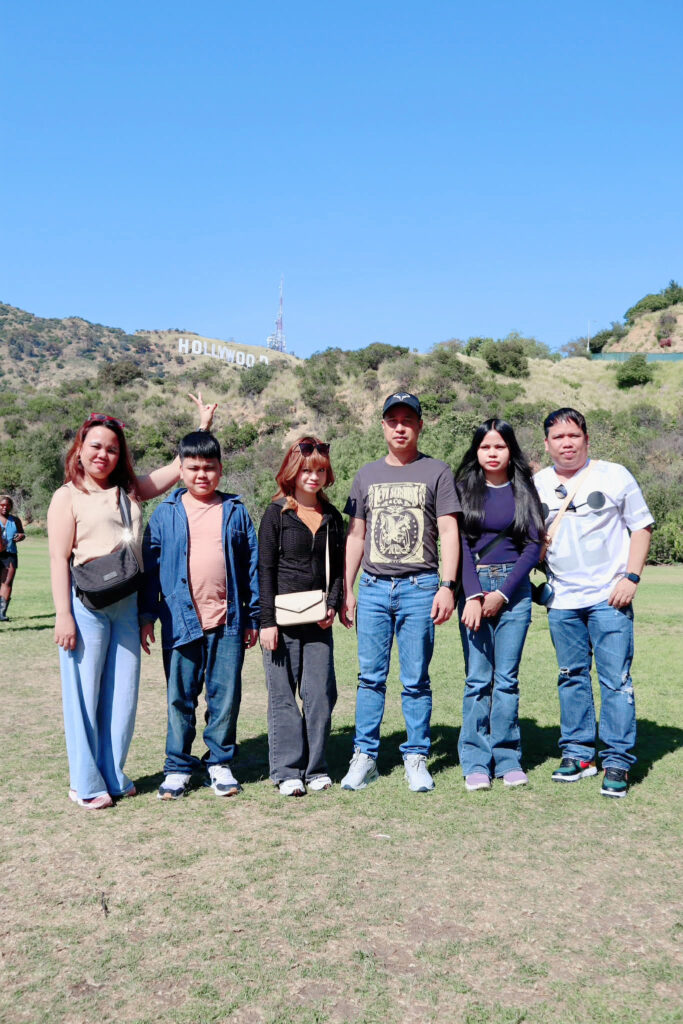
The first years were hard in ways that are difficult to articulate to someone who hasn’t lived them. Adjusting to a new educational system is one thing. Doing it while managing homesickness, financial pressure, cultural disorientation, and the daily demands of single-handedly raising children in a foreign country is another.
“There were moments of homesickness, emotional stress, financial pressure, and uncertainty, especially during my first years abroad,” Maredy recalls. “There were times when I questioned myself and felt overwhelmed by the expectations and responsibilities around me.”
She leaned on faith. She leaned on her children, who became, in her words, her greatest motivation to keep moving forward. She found support in colleagues, school leaders, and fellow Filipino educators who understood the particular texture of that experience — being far from home, committed to a purpose, and determined not to let the difficulty win.
What helped her most, she says, was keeping her eyes on why she came in the first place. “I reminded myself of my purpose — to provide a better future for my children, continue growing professionally, and make a meaningful difference in students’ lives.”
That clarity, she found, is its own kind of anchor.

The students who made it worth it
Ask Maredy what she finds most fulfilling about her work and she doesn’t mention the credentials or the career milestones. She talks about her students — particularly the ones who arrive in her classroom convinced that mathematics is not for them.
Many of her students are multilingual learners or receive special education services. They come in with gaps, with anxiety, sometimes with a long history of being told — directly or indirectly — that they are not math people. Maredy’s approach centers on conceptual understanding and inquiry-based learning, building classroom relationships strong enough that students feel safe enough to struggle.
“The most satisfying aspect of my work is knowing that I am helping students build confidence, overcome challenges, and prepare for brighter futures,” she says. “Seeing students succeed, develop self-belief, and achieve goals they once thought impossible gives me a strong sense of purpose and fulfillment as an educator.”
School leaders and colleagues have noted measurable improvement in mathematics performance within her school community — a result she attributes not to any single strategy, but to consistent support, differentiated instruction, and the kind of sustained attention that tells a student they are worth the effort.
What she carries home
Maredy is currently hoping to transition to an O-1 visa, which would allow her to continue serving her school community in the United States beyond her J-1 program. She is also pressing forward on her PhD, with research focused on how repeated reasoning practices can strengthen students’ conceptual understanding in mathematics — work she hopes will eventually benefit educators and classrooms both in the US and the Philippines.
Her longer-term vision extends beyond her own classroom. She wants to mentor Filipino teachers who dream of working internationally, sharing not just the practical knowledge of how to navigate the process, but the emotional reality of what it takes. “I want to share my experiences, encourage professional growth, and help inspire teachers to pursue excellence while remaining compassionate and student-focused.”
Her advice to fellow Filipinos abroad is practical and unvarnished. Save wisely. Stay professional even when you feel unappreciated. Build relationships carefully, but don’t isolate yourself. And above all, hold onto your sense of purpose.
“Working abroad is not only about earning money,” she says. “It is also about growth, resilience, and becoming stronger through life’s experiences.”
Five years into a journey that asked her to rebuild everything from the ground up, Maredy C. Melo is still in the classroom — still coaching, still researching, still showing up for students who need someone to believe in them before they can believe in themselves. The title has changed. The country has changed. The work, at its core, has not.
Some people leave home and lose themselves in the distance. Others find out, only after they’ve gone, exactly who they are.
