



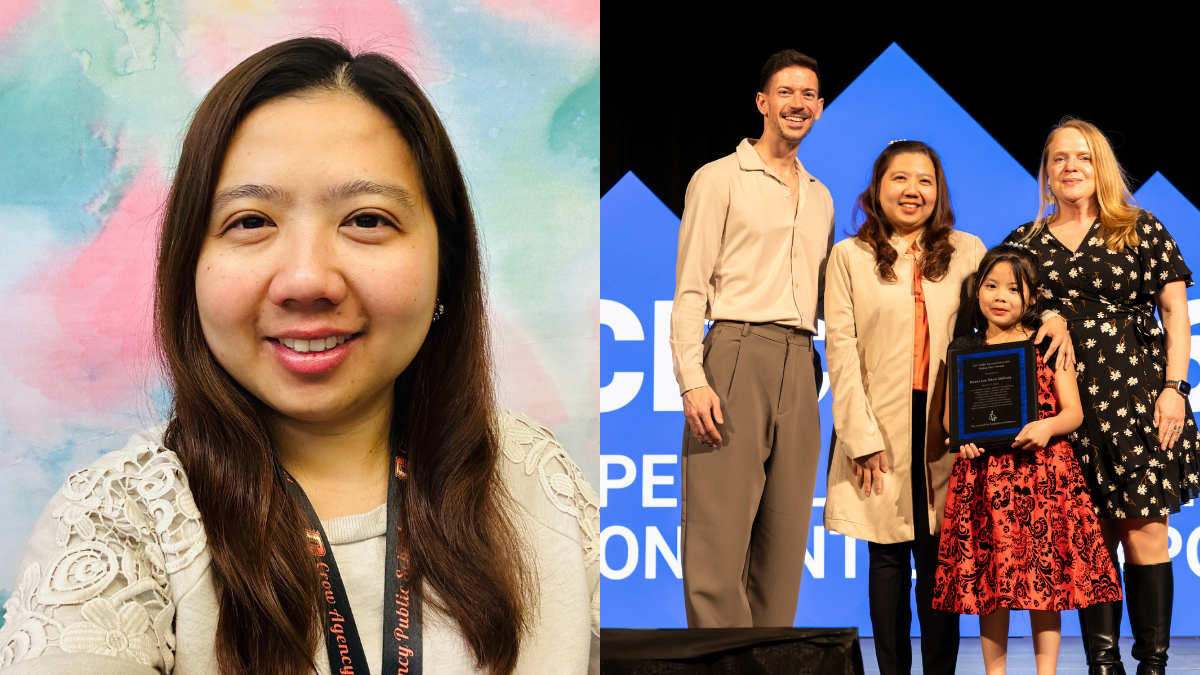

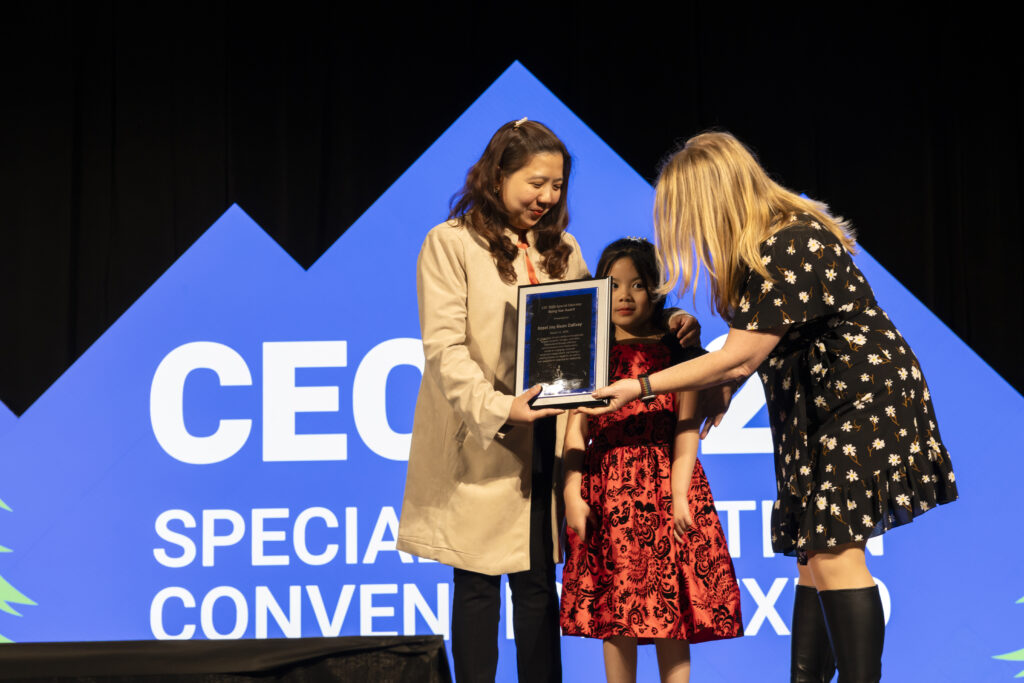
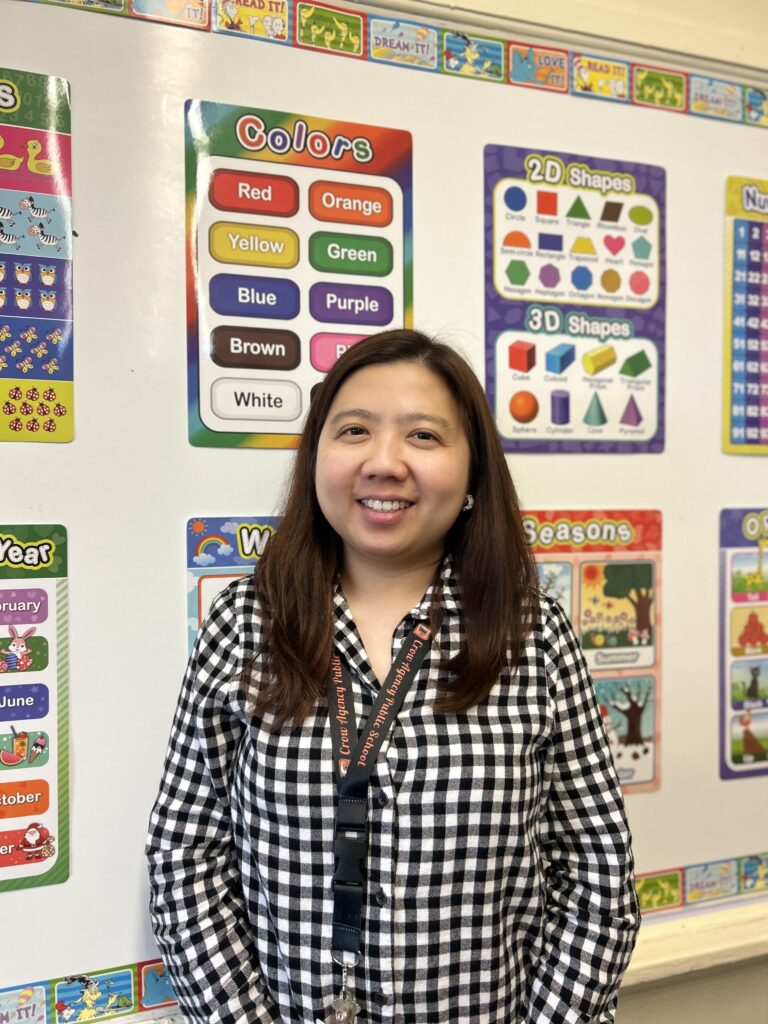
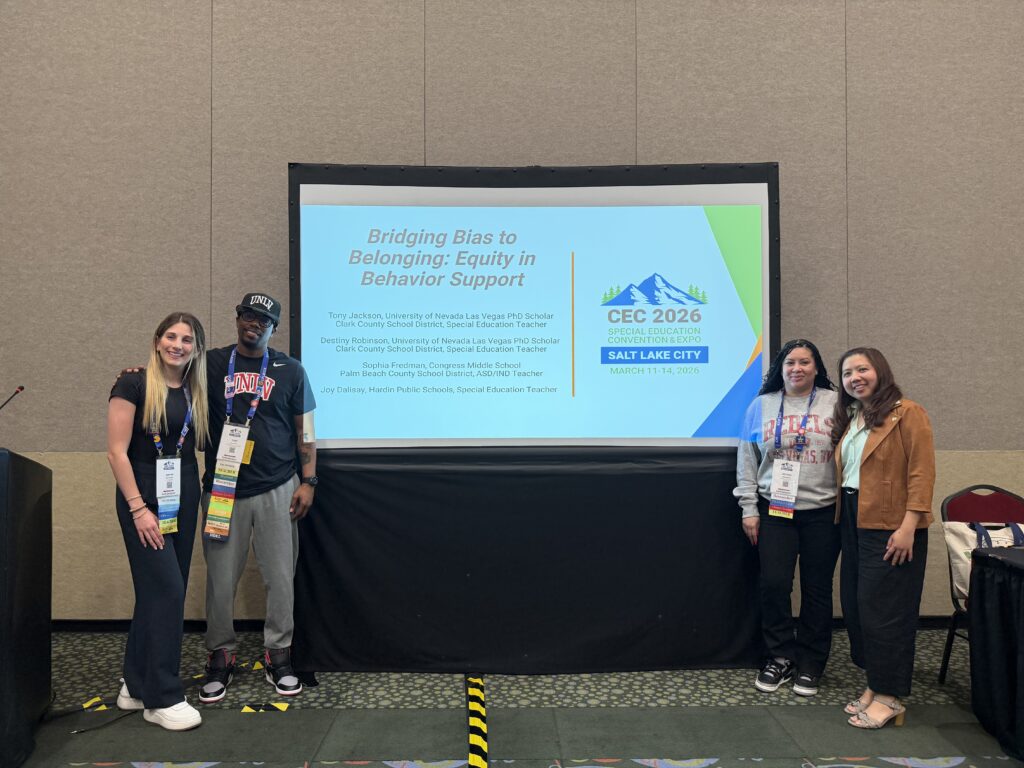
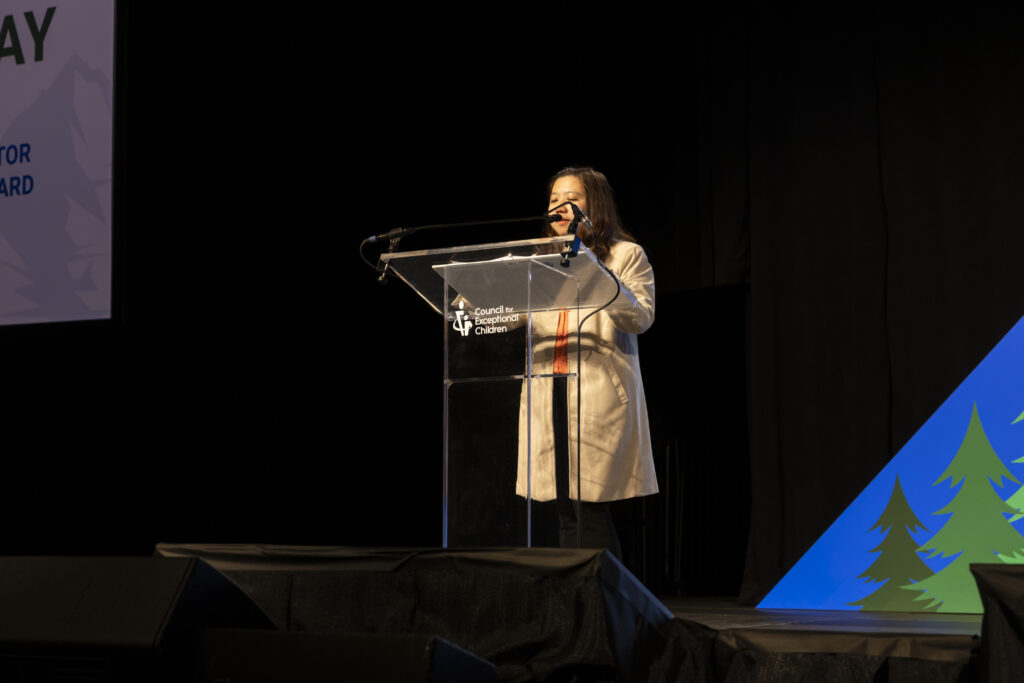
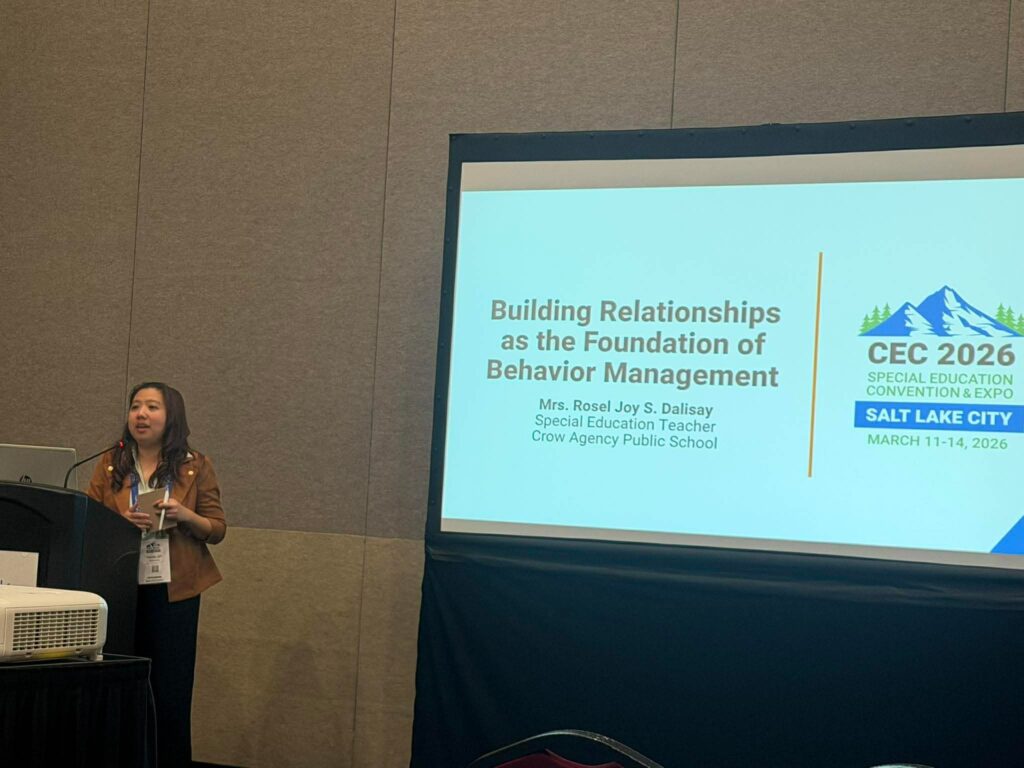
There are teaching jobs, and then there are the ones that change you. Rosel Joy Sison Dalisay took the second kind — a position in a place most people couldn’t find on a map, among students whose histories carry weight that textbooks rarely capture. She teaches special education at Crow Agency Public School in Montana, a campus situated within the Crow Reservation, one of the largest Native American reservations in the United States. She is Filipino. She arrived through a J-1 Exchange Visitor Program placement. And in April 2026, she stood before an international gathering of special education professionals at the Council for Exceptional Children (CEC) Convention and Expo — and walked away with their Rising Star Award.

That arc, from a Philippine classroom to a Montana reservation to a national stage, did not follow a straight line.
A placement that became a purpose
The J-1 program gave Dalisay a destination. What she found there was something else.
“Arriving in a Native American reservation was both humbling and eye-opening,” she says. “My first impression of the Crow community was how deeply rooted they are in their culture, traditions, and sense of identity. There was a strong sense of community and resilience.”
But resilience, she quickly learned, does not cancel out hardship. The school faces real resource constraints. Students carry the weight of intergenerational trauma. Access to specialized services is limited in ways that urban schools rarely contend with. For a special education teacher — a field already defined by its demands — the gap between what students needed and what the system could readily provide was immediately visible.
“It made me realize that I was not just there to teach,” she says, “but to learn, listen, and serve with respect.”
That reorientation — from educator as expert to educator as guest and learner — became the foundation of everything that followed.
Connection before correction
Dalisay’s CEC presentation, “Building Relationships as the Foundation of Behavior Management,” distills a philosophy she developed not from theory alone but from daily practice with students whose behavioral challenges often had roots far deeper than the classroom.
Her framework resists the reflex to correct first and understand later. “Before addressing behavior, I focus on building trust and understanding each student’s background, emotions, and needs,” she explains. “This means spending time listening, being consistent, and showing students that they are seen and valued.”
She recalls one student who struggled with frequent behavioral outbursts. Rather than defaulting to discipline protocols, she made daily connection a priority — checking in, acknowledging his feelings, marking small wins. The shift, she says, was gradual but real. “He became more engaged, more trusting, and more willing to participate. That experience reinforced for me that relationships are not just important — they are foundational to learning and growth.”
The approach is not a workaround. It is the work. And in a community where trust between institutions and families has been strained across generations, it is also an act of cultural awareness.
Learning to belong without erasing difference
Navigating cultural difference as a Filipino educator in a Crow community required Dalisay to hold two things simultaneously: pride in her own identity and genuine openness to learning someone else’s.

“Culturally responsive teaching starts with respect and humility,” she says. She makes a conscious effort to learn about Crow culture, engage with community members, and bring culturally relevant practices into her classroom wherever she can. “My classroom is a safe and inclusive space where students feel proud of who they are.”
She was an outsider. She does not pretend otherwise. But the distance closed over time, and she credits something less complicated than strategy: shared values. “Respect for family, resilience, and strong community ties — these helped bridge the gap.”
Her role has also extended beyond her own classroom. She mentors fellow teachers, supports compliance with the Individuals with Disabilities Education Act, and helps ensure that students with disabilities receive services they are legally entitled to. The work, in practice, is part teaching, part advocacy, part relationship management — all of it necessary.
What recognition means from the inside
The 2026 CEC Rising Star Award recognizes emerging leaders in special education who demonstrate outstanding promise and contribution to the field. For Dalisay, the moment of learning she had won carried a weight that had little to do with professional ambition.
“It felt like a validation of the work I have been doing, not just for myself, but for my students and the community I serve,” she says. “The first people who came to mind were my family back in the Philippines, who have always supported me, and my students — especially those who inspired me every day to do better.”
She is clear that the recognition reflects their stories as much as her own. “This recognition is really a reflection of their struggles and their successes.”
What Filipino teachers carry with them
Dalisay is candid about what the job costs. “The hardest part is the emotional toll — being away from family, adjusting to a completely different culture, and carrying the weight of expectations.” The loneliness, she says, is real and underreported. “I wish someone had told me that it’s okay to feel overwhelmed sometimes, and that growth often comes with discomfort.”
What sustains her, she says, is purpose — not ambition, not accolades, but the visible, incremental progress of students who were once struggling. “Every time I see my students making progress, no matter how small, it reminds me why I chose this path.”
Her message to Filipino educators considering a similar path is less about logistics than about identity. “Never underestimate the value of what you bring to the world. Our strength lies not only in our skills, but in our heart — our malasakit and pagmamahal sa bata.”
Those two Filipino concepts — genuine concern for others, and love for children — are not soft sentiments dressed up in professional language. In Dalisay’s telling, they are the actual mechanism of her teaching, the reason a student in Montana began to trust, to participate, to grow.
“The world needs more educators who teach with compassion, empathy, and genuine care,” she says. “No matter where you are, your impact matters.”
From a reservation school tucked into the Montana plains, a Filipino teacher is proving it.
