



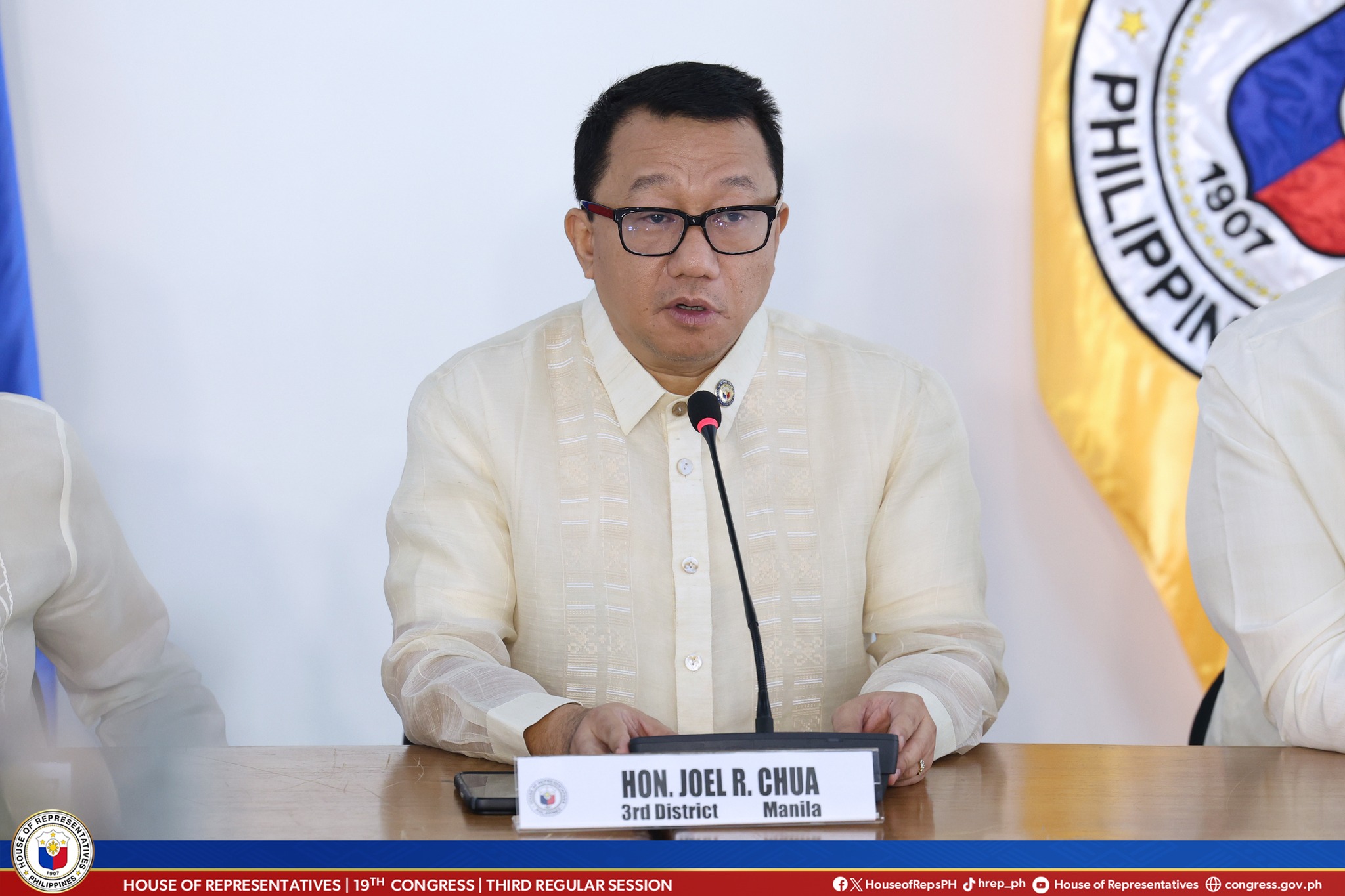

Questions are now being directed at legislators who may oppose the finding of probable cause in the impeachment proceedings against Vice President Sara Duterte, rather than at those who supported it, according to Manila Rep. Joel Chua.

Speaking in an online interview, Chua emphasized that the House committee on justice based its decision solely on materials formally submitted during proceedings, including sworn testimonies and authenticated documents. He pointed out that no counter-evidence was introduced by Duterte’s legal team during the hearings, leaving members with only one evidentiary basis for their vote.
“It is clear because how […] can you vote against, what will be your basis in doing that? Isn’t it the other way around, we should ask why they will vote against finding probable cause when the evidence is overwhelming?” Chua said.
He added that the absence of rebuttal from the respondent’s camp constrained lawmakers to rely strictly on what had been presented on record.
“The defense panel, the respondent, the legal team of the Vice President did not present even one piece of evidence. And the basis for the House members would be only the evidence presented before the committee on justice. Aside from this, we would not have any other basis,” he said.
The committee’s vote came after a series of clarificatory hearings examining different aspects of the complaints. During these sessions, panel members reviewed allegations ranging from the handling of confidential funds to claims of undisclosed wealth, as well as statements attributed to Duterte that were subjected to verification by authorities.
Throughout the proceedings, committee chair Gerville Luistro repeatedly asked whether the Vice President was present to respond to the accusations, but her seat remained unoccupied each time.

Chua also dismissed claims that lawmakers were pressured to support the impeachment effort, describing such allegations as unsubstantiated and outside the scope of formal deliberations.
“These are all gossip; they have been talking about that ever since. That is what they are trying to come up with, and if you see their stand, all of it was released and presented only through the media. I will say this again, the only evidence that we will base our decision on is the evidence on record, not gossip,” he said.
The accusations of coercion surfaced after Davao City Rep. Paolo Duterte claimed that congressional staff had relayed threats involving district budget allocations tied to lawmakers’ votes. However, this was disputed by other officials, including Deputy Speaker Albee Benitez, who noted that any modification to appropriations would require legislative action.
Separately, Deputy Speaker Paolo Ortega V rejected suggestions of incentives or penalties influencing the outcome, maintaining that the panel’s conclusion rested on documentary records reviewed during the hearings.
“There are no external pressures on us and in fact it would be harder for us to justify if we would turn a blind eye on the matter, should we vote against the determination of probable cause when the evidence is screaming at us in the face,” Chua said.
“And it is also clear that they did not present even a single evidence before us, so what would be our basis?” he added.
During one of the hearings, officials from the Anti-Money Laundering Council reported detecting transactions they classified as covered and suspicious involving Duterte and her relatives, including her husband, Manases Carpio.
