



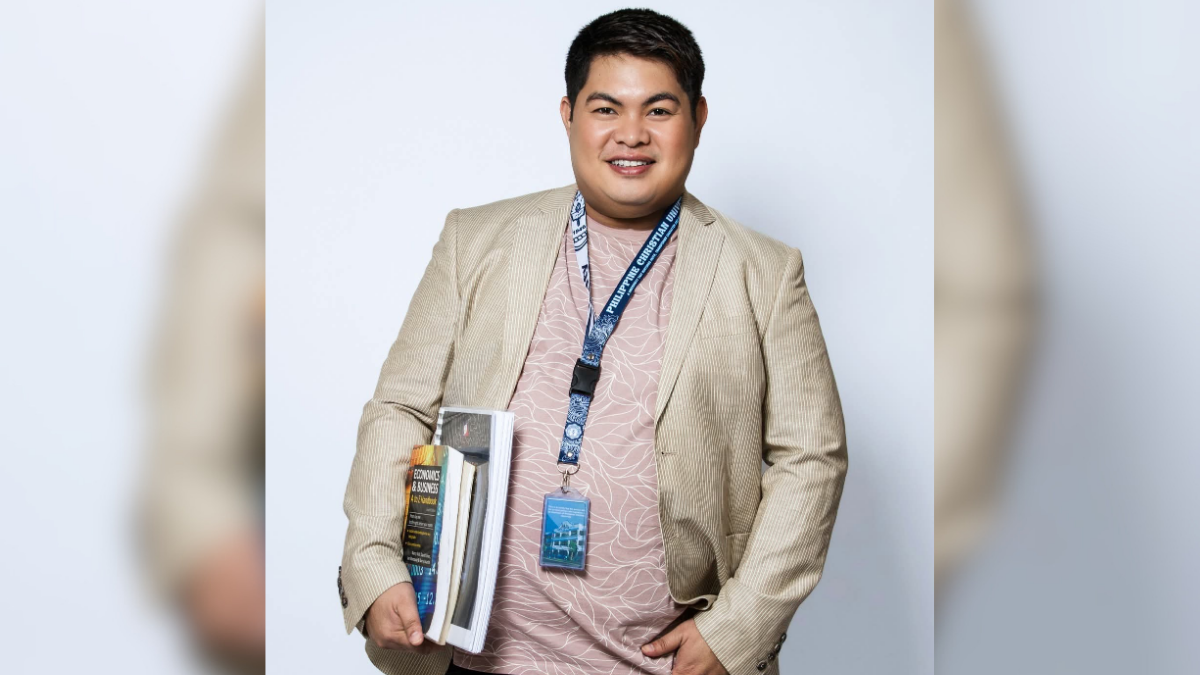

From the market stalls of his childhood to the corridors of some of the Gulf’s biggest construction projects, the distance traveled tells a story most people would not dare attempt.

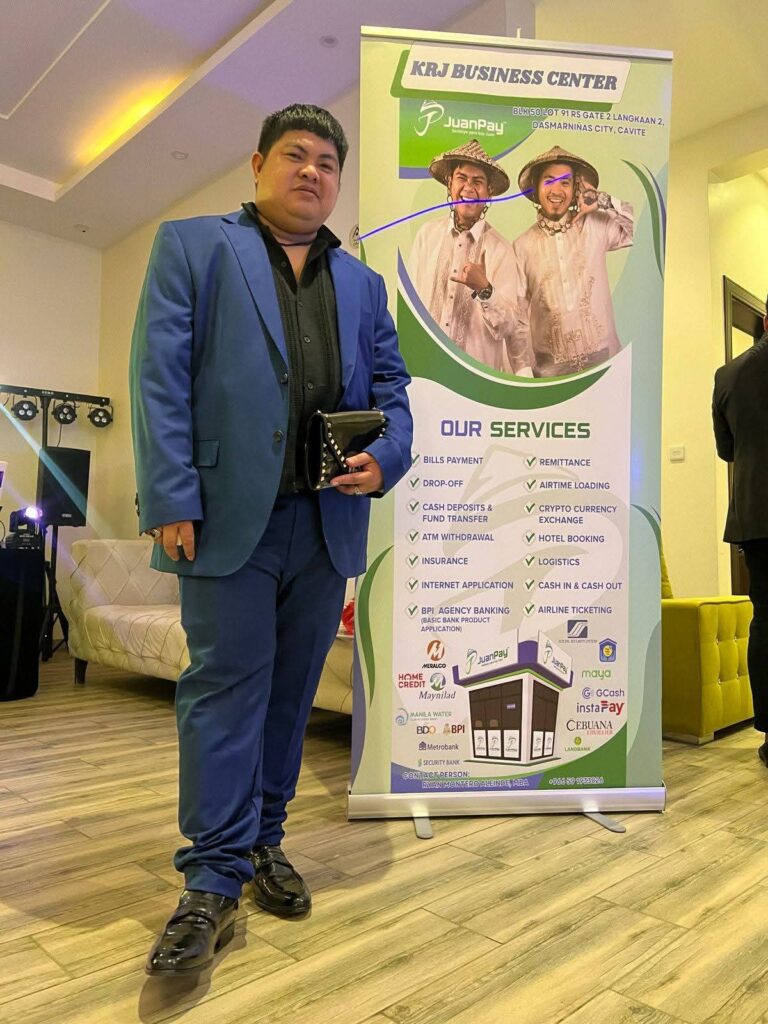
Ryan M. Aleinde grew up watching his parents sell vegetables at a local market, and for a long time, that was the clearest picture he had of what his future might hold. He left school before finishing, carried a résumé with almost nothing on it, and walked into his first job application with the quiet dread of someone who already expects to be turned away. That was nearly two decades ago. Today, he is a Senior Document Controller at Jacobs — one of the world’s largest engineering firms — managing critical documentation on the Qiddiya project in Riyadh, one of Saudi Arabia’s most ambitious development undertakings. He is also the CEO of Aleinde International, an educational consultancy he built from the ground up.
An office boy who paid attention
The path from factory floor to boardroom rarely runs straight. Aleinde started working at 18 as a factory worker and roving sales merchandiser at Advance Paper Corp. By 21, he had been recruited for a bookstore job in Dubai with a promise of direct hire — a gamble that paid off. But it was a far less glamorous role that quietly changed everything.
“My real turning point was when I became an office boy in a construction engineering company,” he says. “There, I was introduced to the role of Document Controller. From that moment, I started training and learning the system, which opened bigger opportunities for me.”
From that entry-level position, he worked his way through a succession of increasingly significant postings — Gulf Drug, Parsons, and eventually Jacobs — building the technical and organizational expertise that now underpins his career. The trajectory was not handed to him. It was studied for, applied for, and earned shift by shift.
The weight of what you carry home
Ask any OFW what they are really working for, and the answer rarely stops at themselves. For Aleinde, the driving force was always the family he left behind and the community he came from.
“Working as an OFW has been a major blessing in my life as a breadwinner,” he says. “It not only supports my family, but also allows me to share my blessings with others.”

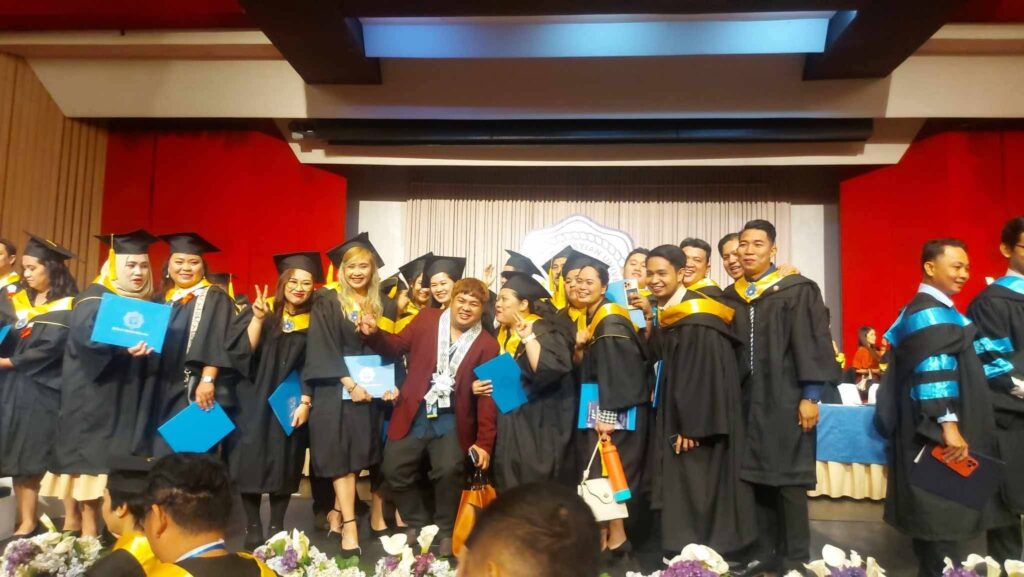
That impulse to give back eventually took institutional form. Alongside his work in document control, he established Aleinde International and took on roles as an adjunct professor and online lecturer under the ETEEAP program — a government initiative that allows working professionals to earn college degrees based on experiential learning. For someone who once couldn’t finish school himself, it is a role with obvious personal weight.
He now holds both a master’s degree and a doctorate. The credentials are recent. The drive behind them is not.
Building something that outlasts the contract
Aleinde is candid about where he wants things to go. His vision for Aleinde International extends well beyond its current scope — he sees it growing into a full-service platform that connects education, career development, and overseas employment opportunities for Filipinos at home and abroad.
“Someday, I envision ALEINDE International growing into more than just an education-focused service,” he says. “It can also become a trusted recruitment partner, helping professionals and graduates who aspire to work abroad.”
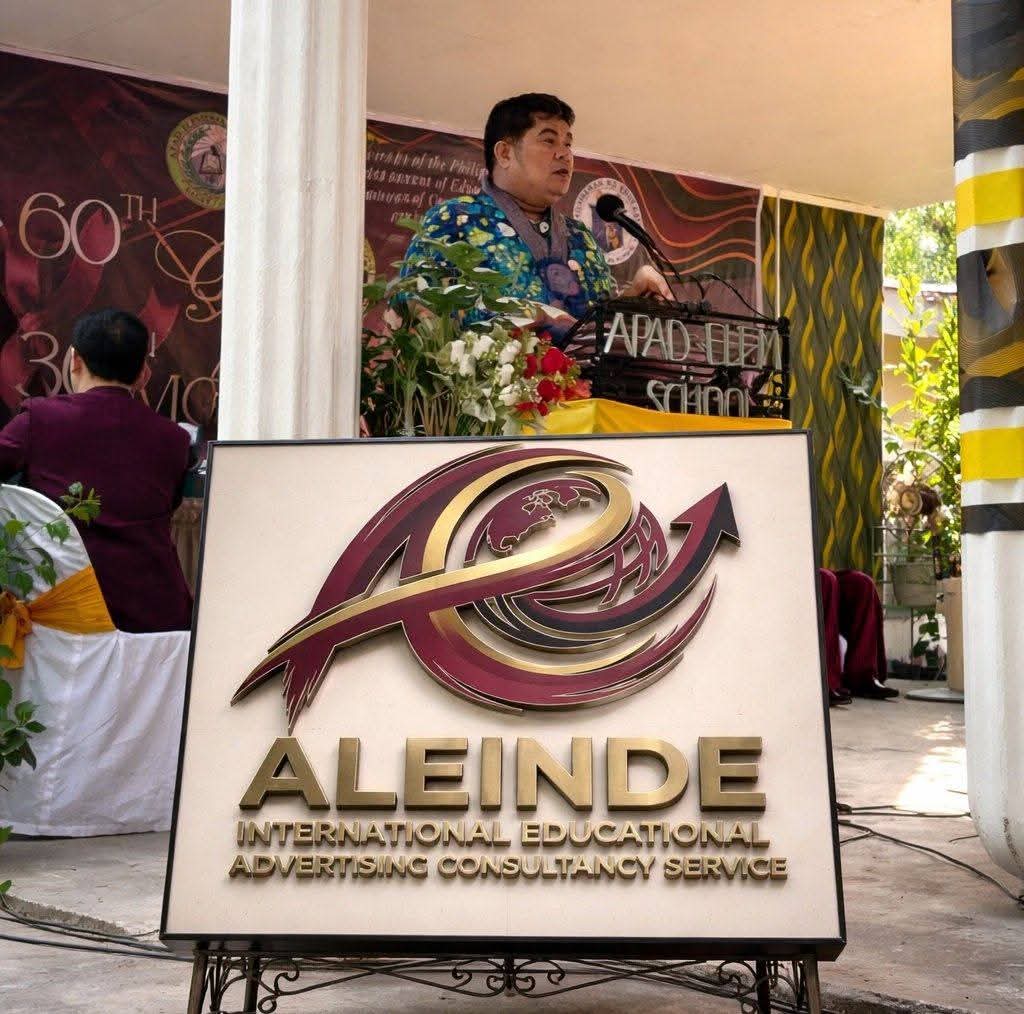
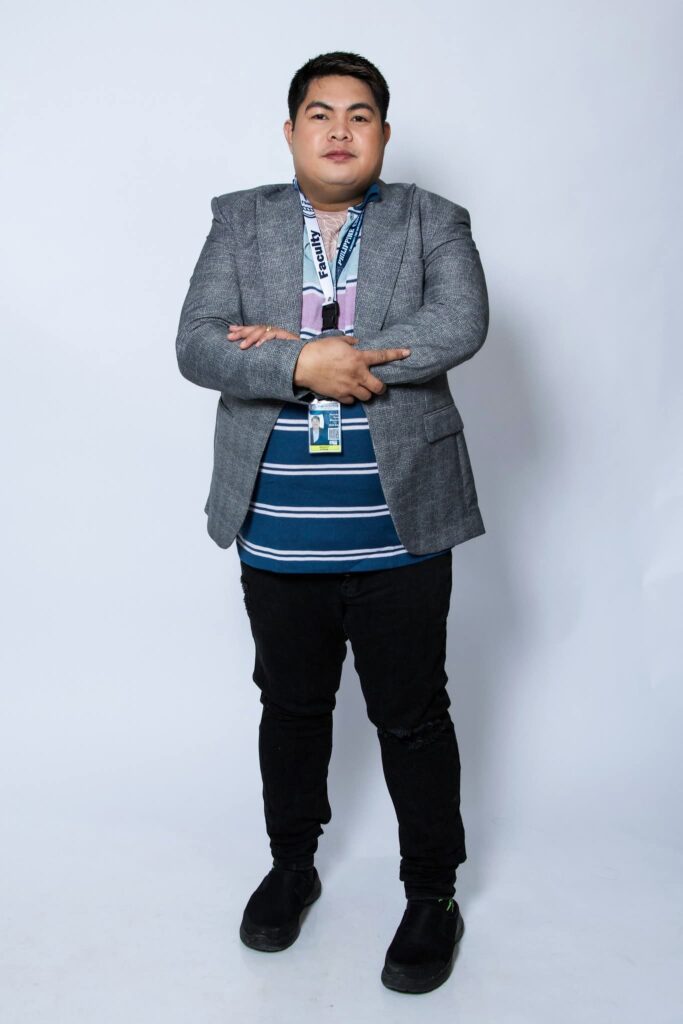
The goal is not merely commercial. He is particularly committed to programs like ETEEAP, which he credits with real potential to develop the next generation of Filipino managers and professionals — people who, like him, may have started without credentials but have accumulated years of hard-won experience.
For fellow OFWs still finding their footing, his advice is grounded and unsparing: manage your money with discipline, build yourself up with integrity, and when you get stable, look back. “Once you become stable, don’t forget where you came from,” he says. “Helping others in a genuine way creates a meaningful impact and continues the cycle of blessings.”
Ryan Aleinde was once a kid from a market town who couldn’t finish school. He is now building an institution designed to make sure others don’t have to start from as far behind as he did. That, more than any title or project posting, may be the work that matters most.
