



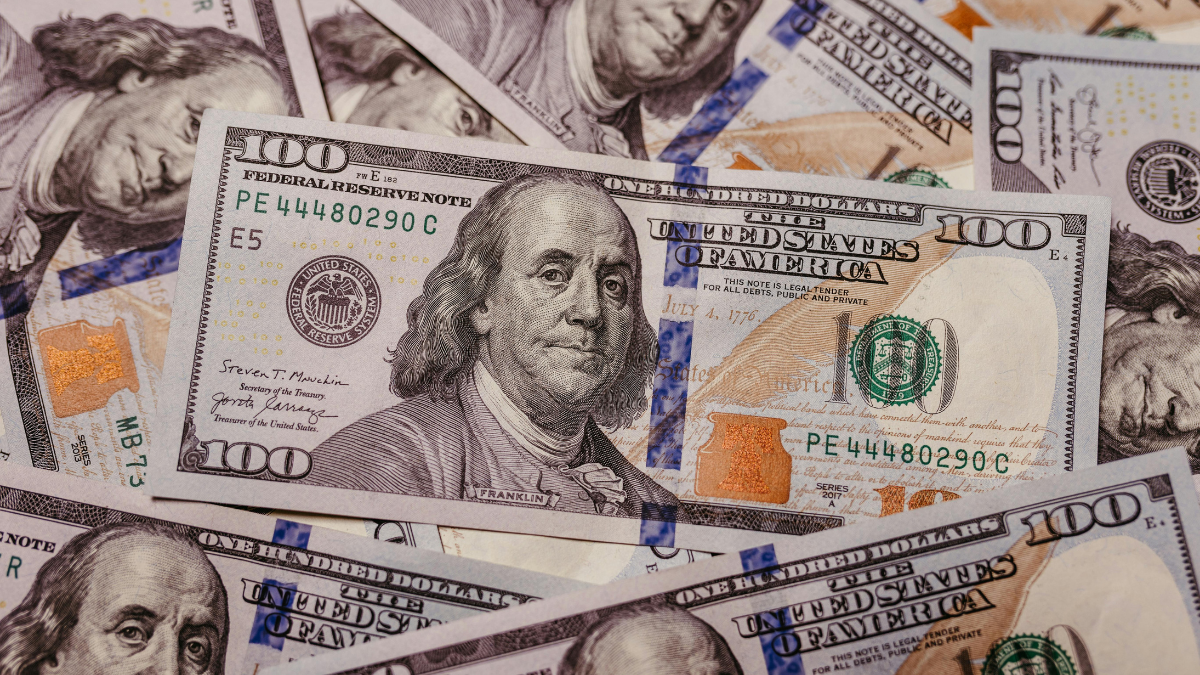

The Philippine peso broke through the P61-per-dollar threshold on Tuesday, April 28, reaching a fresh historic low of P61.08 to $1 during afternoon intraday trading — the weakest the local currency has ever been against the US dollar.

The peso hit the intraday low at around 1:52 p.m., after opening at P60.80, according to data from the Bankers Association of the Philippines (BAP). The currency’s previous record-low close was P60.748 to the dollar, set on March 31.
RCBC chief economist Michael Ricafort attributed the peso’s continued slide to the “lack of progress on negotiations between the US and Iran for more than two weeks” and the “continued closure of the Strait of Hormuz,” which has curtailed global supplies of crude oil and liquefied natural gas. Ricafort also cited domestic political noise as a factor that could delay the passage of priority legislative reforms.
The Bangko Sentral ng Pilipinas recently raised its key interest rate by 25 basis points to 4.5% — its first hike in over two years — citing a weaker inflation outlook driven by higher global oil and food prices. BSP Governor Eli Remolona signaled that further tightening remains possible if needed.

The Philippines imports nearly all of its crude oil, meaning higher oil prices translate directly to greater demand for US dollars to pay for those imports — putting additional downward pressure on the peso. This dynamic is compounded by the country’s chronic trade deficit, which creates a structural demand for foreign currency over time.
Inflation was already heading in the wrong direction even before the peso’s latest slide. Consumer prices rose 2.4% in February 2026 compared to a year earlier, with economists warning of a continued spike from March onward as the combined effect of surging oil prices and a weaker currency feeds into higher consumer costs.
For Overseas Filipino Workers, the weaker peso means remittances sent home convert to larger amounts in local currency — a silver lining for families dependent on foreign earnings. However, analysts caution that a prolonged conflict could dampen OFW deployment and the volume of remittances itself.
Institutional outlooks have grown increasingly bearish. Metropolitan Bank and Trust Co. revised its forecast, noting that the exchange rate will likely settle at higher levels this year due to weakening investor sentiment, a persistent current account deficit, and a rebounding US dollar.
