




A local doctor’s alarm over an unusual pattern in his clinic was the first sign something had gone badly wrong in Taunsa. By late 2024, Dr Gul Qaisrani had diagnosed between 65 and 70 children with HIV — and noticed that “almost all” of them had previously received treatment at THQ Hospital Taunsa, a government facility in Punjab, Pakistan.

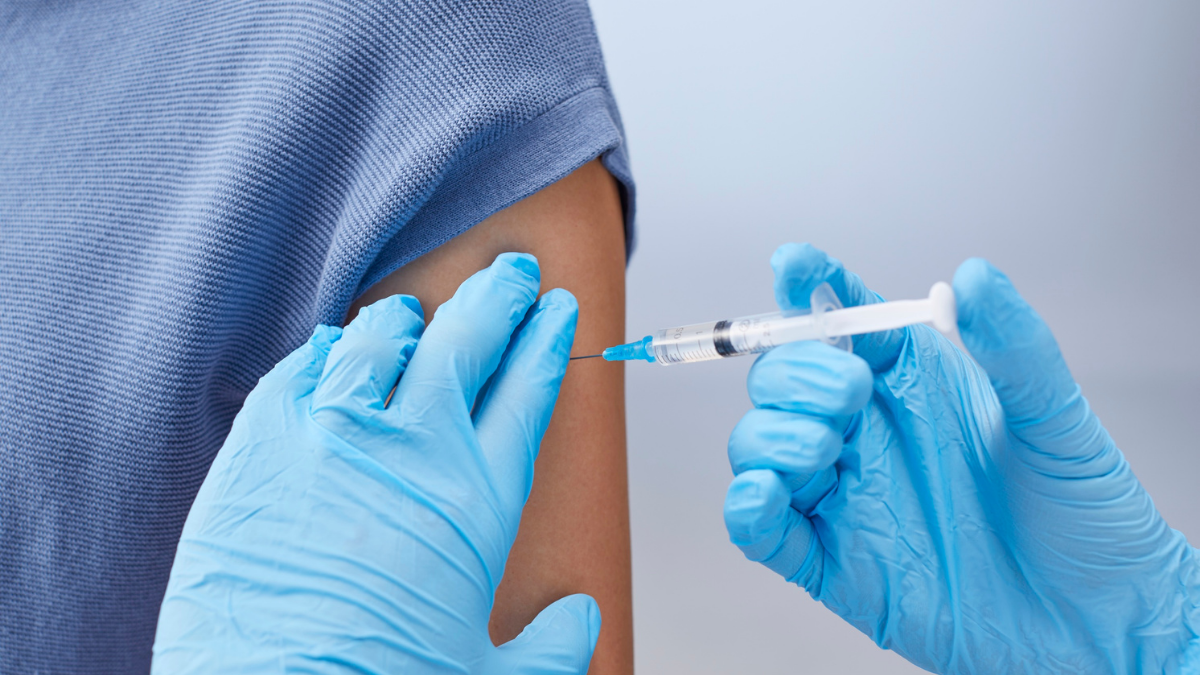
What followed was a BBC News undercover investigation that would capture, over 32 hours of footage inside the hospital, repeated violations of basic infection control: syringes retrieved after use and passed to colleagues, injections administered without gloves, used needles left on countertops, and medicine drawn from multi-dose vials then administered to separate patients.
Data compiled by BBC Eye from provincial screening programmes, private clinics, and leaked police records identified at least 331 children in Taunsa who tested HIV-positive between November 2024 and October 2025. In more than half of those cases, a contaminated needle was recorded as the probable mode of transmission.
Among them were eight-year-old Mohammed Amin and his sister Asma. Mohammed died shortly after his diagnosis; his mother described his final days as marked by severe fever and pain. Asma tested positive not long after. Their mother tested HIV-negative — a finding consistent with a broader dataset showing that of 97 families screened, only four mothers carried the virus, effectively ruling out maternal transmission as a primary driver of the outbreak.

Microbiologist Dr Altaf Ahmed, reviewing the footage, said the practices documented posed clear contamination risks. “Even if a new needle is attached, the syringe body can carry the virus,” he said, adding that one scene — showing a nurse retrieving a used syringe with residual liquid for a colleague to reuse — violated “every principle” of safe injection practice.
The Punjab government suspended the hospital’s then-head in March 2025 after reported cases crossed 100. The BBC’s findings, however, indicate that unsafe practices persisted well after that intervention, raising questions about whether the administrative response produced any lasting change on the ground.
Hospital medical superintendent Dr Qasim Buzdar has rejected the BBC’s evidence, questioning whether the footage was authentic and suggesting it may have been recorded prior to his tenure. He maintained that infection control is a stated priority at the facility.
