



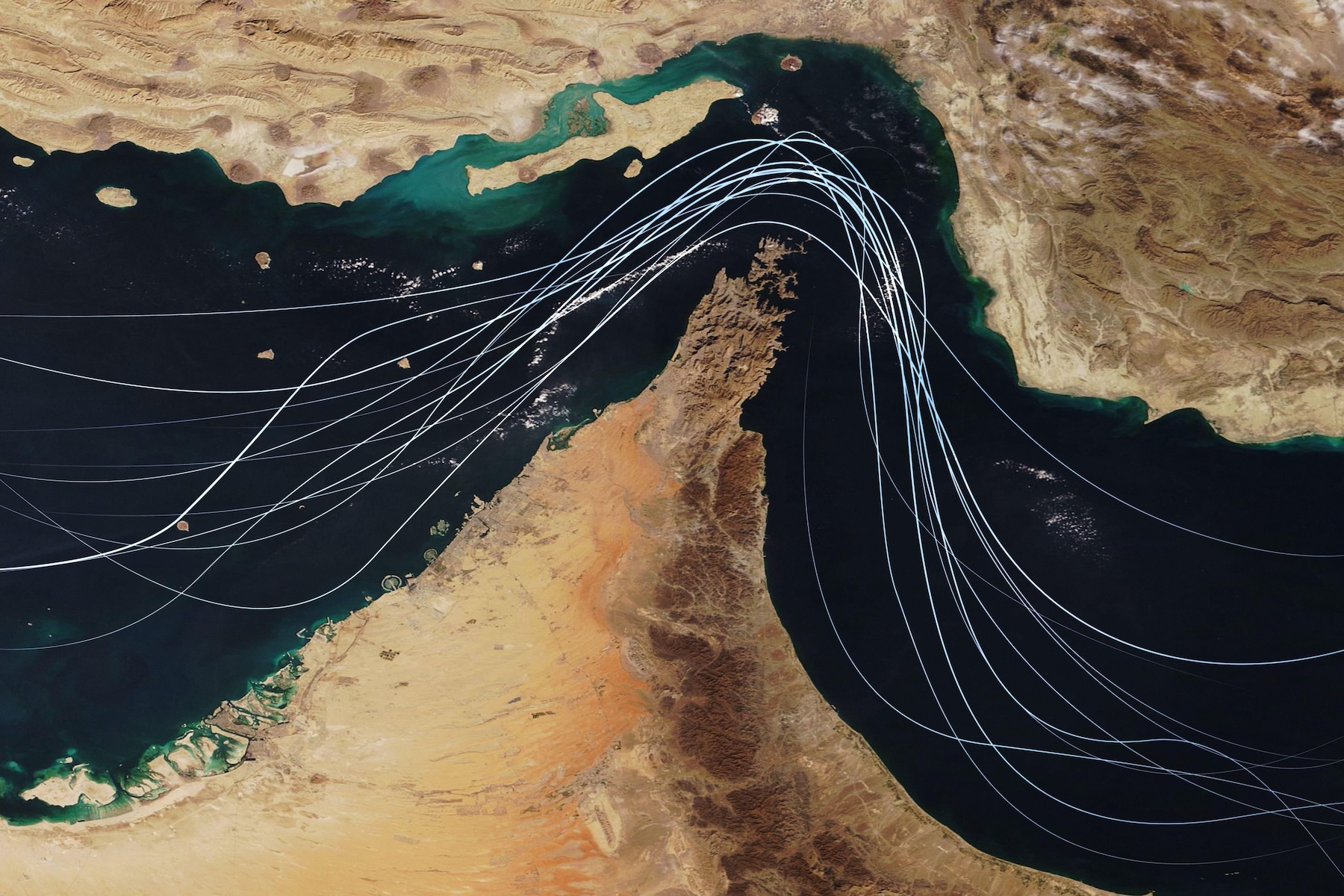

Iran’s Supreme National Security Council confirmed Wednesday that peace talks would begin on Friday, April 10, in Islamabad, capping a day of rapid diplomatic movement that pulled both countries back from the edge of a wider war.

Iranian Foreign Minister Abbas Araghchi made the announcement minutes after President Donald Trump said the US had agreed to the two-week cessation of hostilities. Araghchi said: “If attacks against Iran are halted, our Powerful Armed Forces will cease their defensive operations. For a period of two weeks, safe passage through the Strait of Hormuz will be possible via coordination with Iran’s Armed Forces and with due consideration of technical limitations.”
The Council’s statement carried a pointed caveat alongside the ceasefire acceptance. “It is emphasized that this does not signify the termination of the war,” the statement read. “Our hands remain upon the trigger, and should the slightest error be committed by the enemy, it shall be met with full force.”
The council said the ceasefire negotiations could be extended by mutual agreement of the parties.
Pakistan’s role in brokering the pause was significant. Trump said he decided to delay an expansion of US strikes “based on conversations” with Pakistani Prime Minister Shehbaz Sharif and Gen. Asim Munir, Pakistan’s powerful army chief. Sharif had called on Trump to extend the deadline and separately urged Iran to open the strait. Sharif said: “I warmly welcome the sagacious gesture and extend deepest gratitude to the leadership of both the countries and invite their delegations to Islamabad on Friday, 10th April 2026, to further negotiate for a conclusive agreement to settle all disputes.”
Trump wrote on Truth Social: “Subject to the Islamic Republic of Iran agreeing to the COMPLETE, IMMEDIATE, and SAFE OPENING of the Strait of Hormuz, I agree to suspend the bombing and attack of Iran for a period of two weeks. This will be a double sided CEASEFIRE!”

Israel has also agreed to the ceasefire arrangement, according to a White House official, though the White House has not detailed which points of Iran’s 10-point proposal Israel accepts.
Iran’s 10-point proposal — which Trump called a “workable basis on which to negotiate” — goes well beyond a maritime traffic arrangement. The proposal calls for Iranian dominance and oversight of the Strait of Hormuz, the withdrawal of all US combat forces from bases in the Middle East, a halt to military operations against allied armed groups across the region, full compensation for war damages, the lifting of all US, UN Security Council, and IAEA sanctions, the release of frozen Iranian assets abroad, and ratification of any final agreement in a binding UN Security Council resolution.
Iran’s counter-position follows a US ceasefire proposal brokered through Pakistan, which Tehran rejected outright on Monday. The US-backed initial framework, informally called the “Islamabad Accord,” had outlined an immediate ceasefire followed by 15 to 20 days of negotiations toward a broader regional settlement.
A regional official said Iran and Oman would charge vessels for transit, with Iran to use the revenue for rebuilding infrastructure damaged in recent US and Israeli strikes, rather than seeking direct financial compensation. Iran’s proposal includes a fee of roughly $2 million per ship passing through the waterway, with revenue shared with Oman.
Whether Washington is willing to accept any model that places long-term control of Hormuz transit in Iranian hands remains unclear. US officials have long insisted that free navigation through the strait is a core national interest.
The White House press secretary told CBS News that “there are discussions about in person talks, but nothing is final until announced by the President or the White House.”
