




The Philippine government’s emergency repatriation budget is being depleted at an alarming pace, with the cost of bringing home a single overseas Filipino worker now reaching close to P190,000 — nearly double what it cost before tensions in the Middle East escalated.

Officials attribute the surge to a combination of sharply higher airline fares and expanded insurance coverage for workers being evacuated from the Gulf region. Prior to the crisis, repatriation costs sat below P100,000 per worker.
The Overseas Workers Welfare Administration reported that roughly 20 percent of its P1.6 billion repatriation fund has already been drawn down within weeks of the crisis beginning — a rate that senators say is unsustainable given the scale of the Filipino workforce in the region.
A Senate committee examining the government’s emergency response has put hard numbers to the potential exposure. With an estimated 2.4 million OFWs currently in the Middle East, evacuating even one percent of that population — around 24,000 workers — would require approximately P4.8 billion, a figure that would rapidly overwhelm existing reserves.

Sen. Sherwin Gatchalian, who chairs the Senate committee on proactive response and oversight, has proposed tapping contingency funds or passing a supplemental budget to cover both immediate evacuation needs and longer-term worker reintegration. He also backed the proposed Bagong Balikbayan Act, which aims to establish sustained government support for returning workers from the point of departure through resettlement.
On the legislative front, Sen. Risa Hontiveros has put forward a substantially larger proposal — a P52.8 billion supplemental fund that would set aside P18 billion specifically to bolster the joint repatriation operations of the Department of Migrant Workers and OWWA.
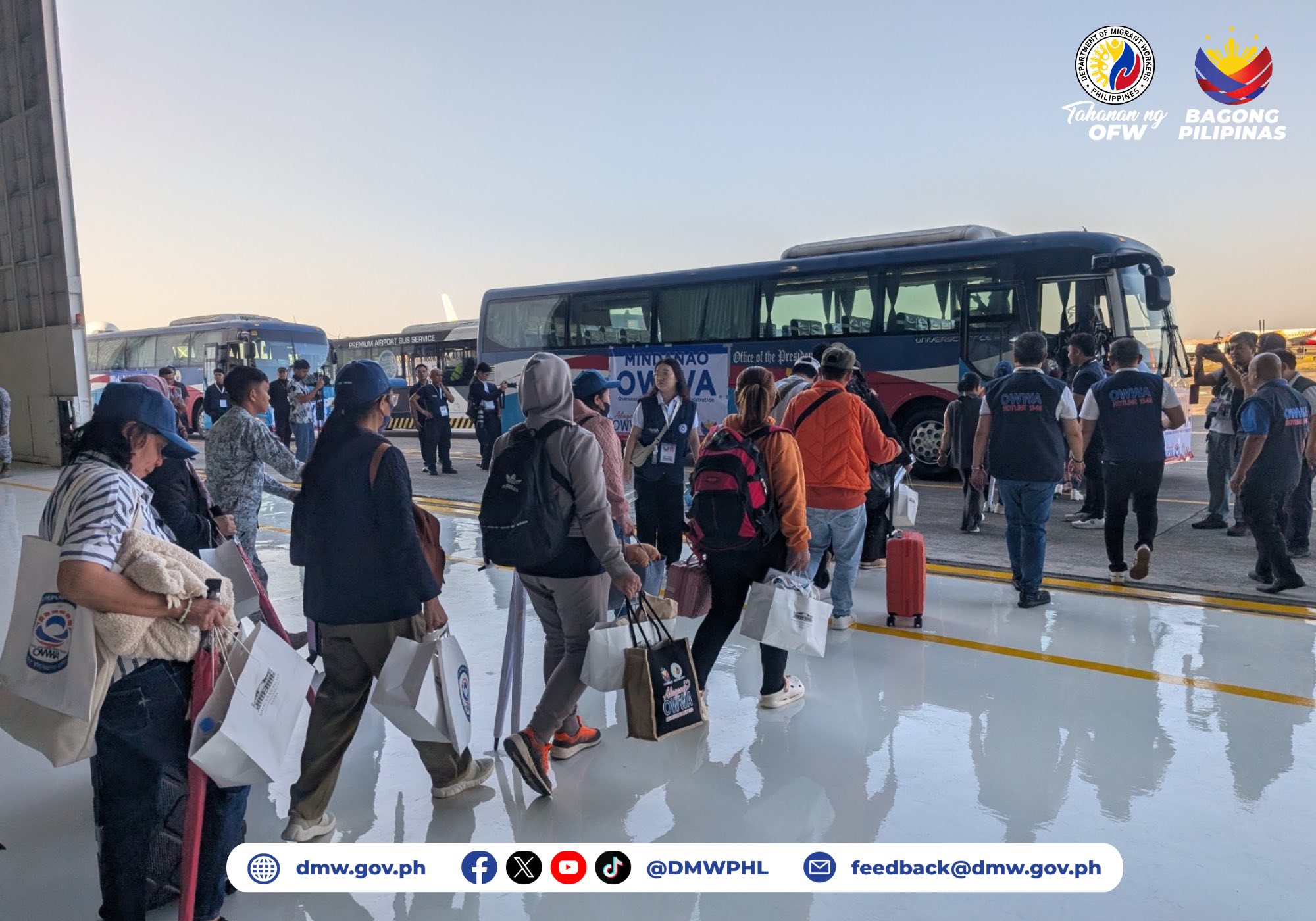
The Department of Migrant Workers confirmed that a seventh government-chartered flight from Dubai has since returned, carrying 344 Filipinos including 228 documented OFWs.
