




Alarming child abuse statistics and a near-zero prosecution rate under existing law are driving a push in the House of Representatives to overhaul how rape and sexual violence are defined and prosecuted in the Philippines.

House Bill No. 8716, filed on March 23 by Mamamayang Liberal Party-list Representative Leila De Lima, proposes sweeping amendments to current rape legislation, including a consent-based definition of the crime, formal recognition of grooming as predatory conduct, and penalties of up to 40 years of imprisonment without parole for the most serious offenses.
Data underpinning the proposal is stark. Philippine Statistics Authority figures show 11,479 rape cases involving girls under 16 were recorded in 2023 — yet not a single case was filed under Republic Act No. 11648 during the same period. Separately, the United Nations Children’s Fund estimated that two million children in the Philippines were subjected to online sexual abuse and exploitation in 2021.
De Lima, a former Commission on Human Rights chairperson now serving as Senior Deputy Minority Leader, said underreporting remains a systemic problem driven by fear, social stigma, and limited access to justice — particularly across different genders and sexual orientations.

The bill also targets procedural gaps that advocates say allow cases to quietly collapse. Among its proposed safeguards are mandatory reporting obligations and an explicit ban on amicable settlements and affidavits of desistance in rape cases, alongside stronger privacy protections for victims.
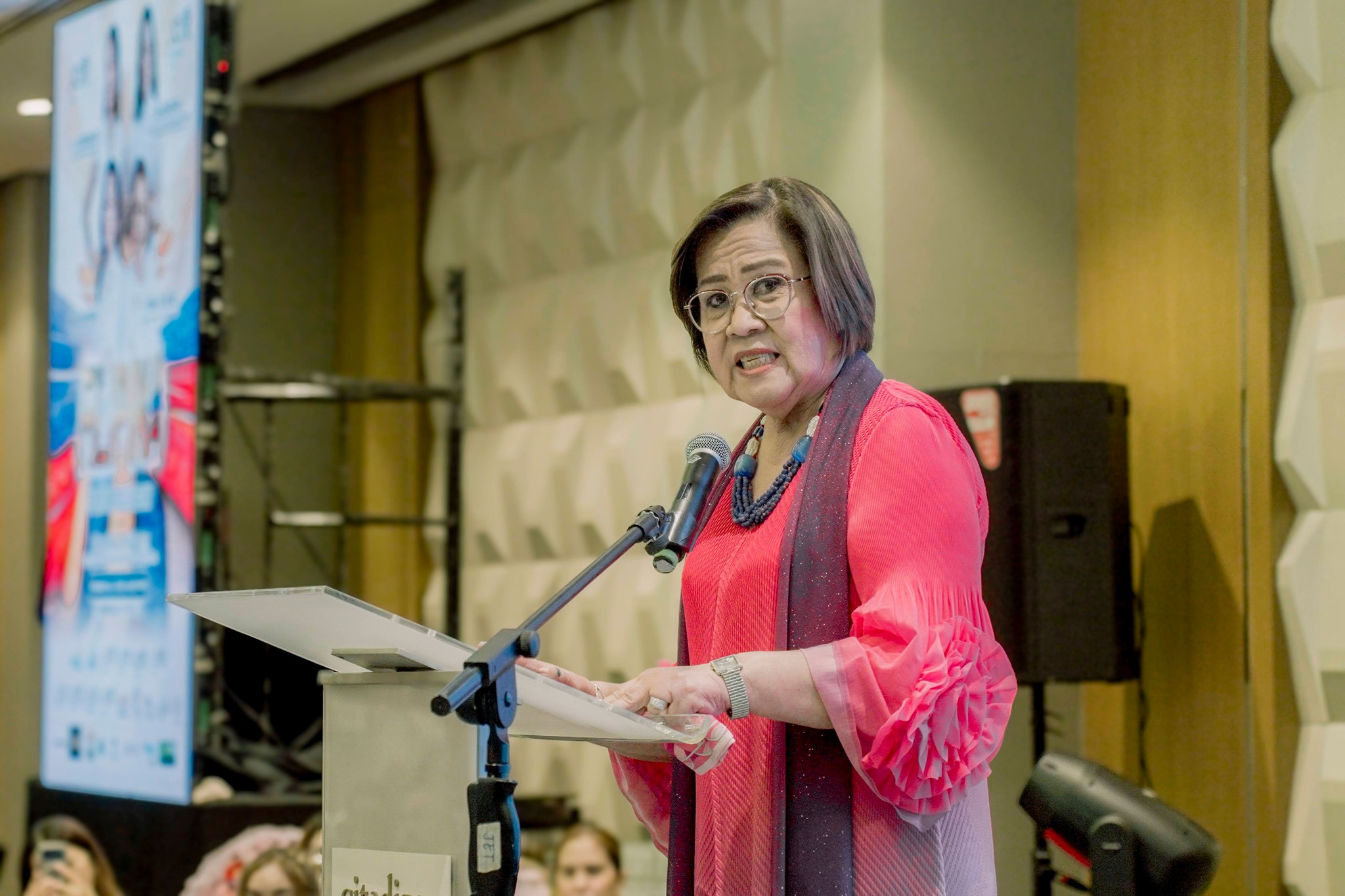
“With these alarming figures, we aim to implement stronger procedural safeguards against sexual exploitation, including mandatory reporting obligations, the prohibition of amicable settlements and affidavits of desistance in rape cases, and better protections for the privacy and identity of victims,” De Lima said.
The measure would also impose stiffer penalties when offenders hold positions of authority or trust over their victims — a provision De Lima framed in direct response to what she described as a broader culture of tolerance for abuse among some officials.
“At a time when cases of rape and sexual abuse on digital platforms remain rampant, and when some government officials and persons in positions of authority or trust tolerate vulgarity and harassment, we urgently need a stronger law to ensure greater accountability,” she said.
