



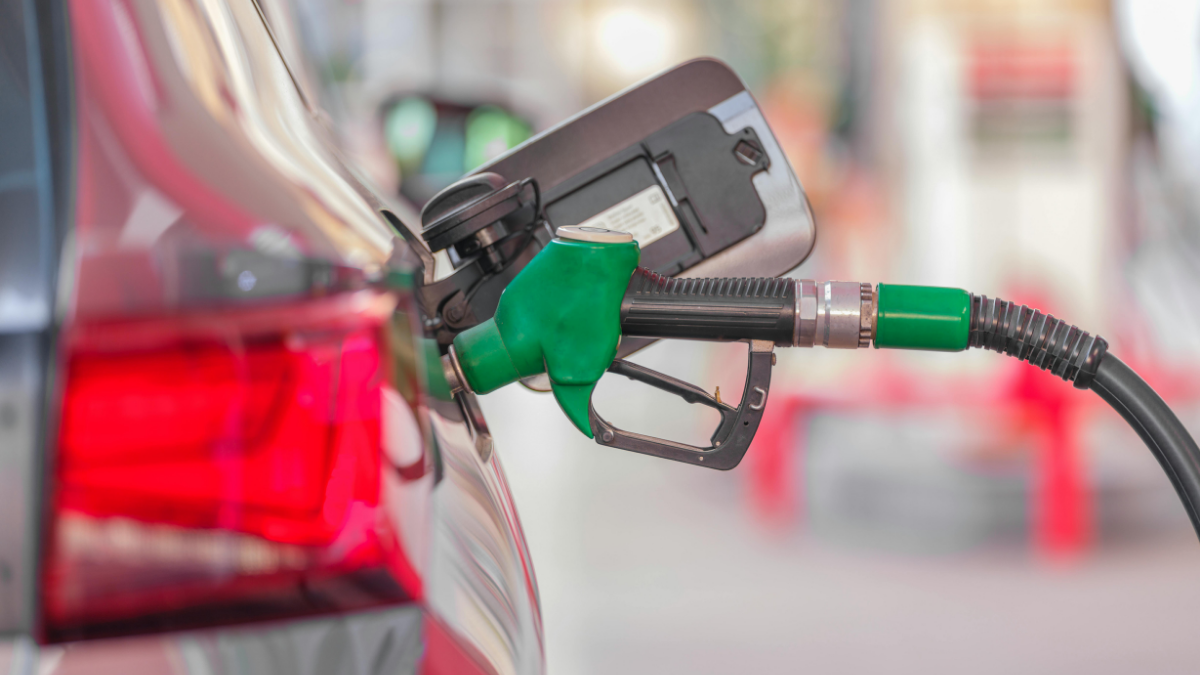

The Philippine government has opened the door to a lower-grade, higher-sulphur fuel standard as it scrambles to keep domestic supply stable in the face of disruptions tied to the ongoing US-Israel war on Iran.

The Department of Energy said the temporary measure covers a narrow set of users: vehicles manufactured in 2015 or earlier, traditional jeepneys, power plants, generators, and the marine and shipping sectors. All other users remain bound by the cleaner Euro-IV standard that has been in effect since the Philippines phased out Euro-II fuels in 2016.
Euro-II petroleum products carry a sulphur content of 500 parts per million — ten times the 50 ppm allowed under the current Euro-IV standard. The DOE said oil companies offering Euro-II products must keep them strictly separated from Euro-IV supplies across storage, transport, and retail channels.
“The measure is intended to help maintain a continuous, adequate and accessible fuel supply, while allowing limited flexibility for sectors that may be affected,” the department said.

The move follows a week of public anger over surging pump prices. Thousands of jeepney drivers staged protests across the country after local diesel costs more than doubled in the wake of rising global oil prices driven by the Middle East conflict.
President Ferdinand Marcos said in a video message Sunday that Manila is in talks with India, China, Japan, South Korea, Thailand, and Brunei over possible fuel supply arrangements, as the country works to reduce its heavy dependence on Middle Eastern oil. The Philippines is also set to import Russian oil this month — its first such purchase in five years.
Congress has granted Marcos emergency powers to suspend or reduce fuel taxes, and the government has also introduced measures including work week reductions and fuel subsidies, steps similar to those taken by several other countries in the region.
