



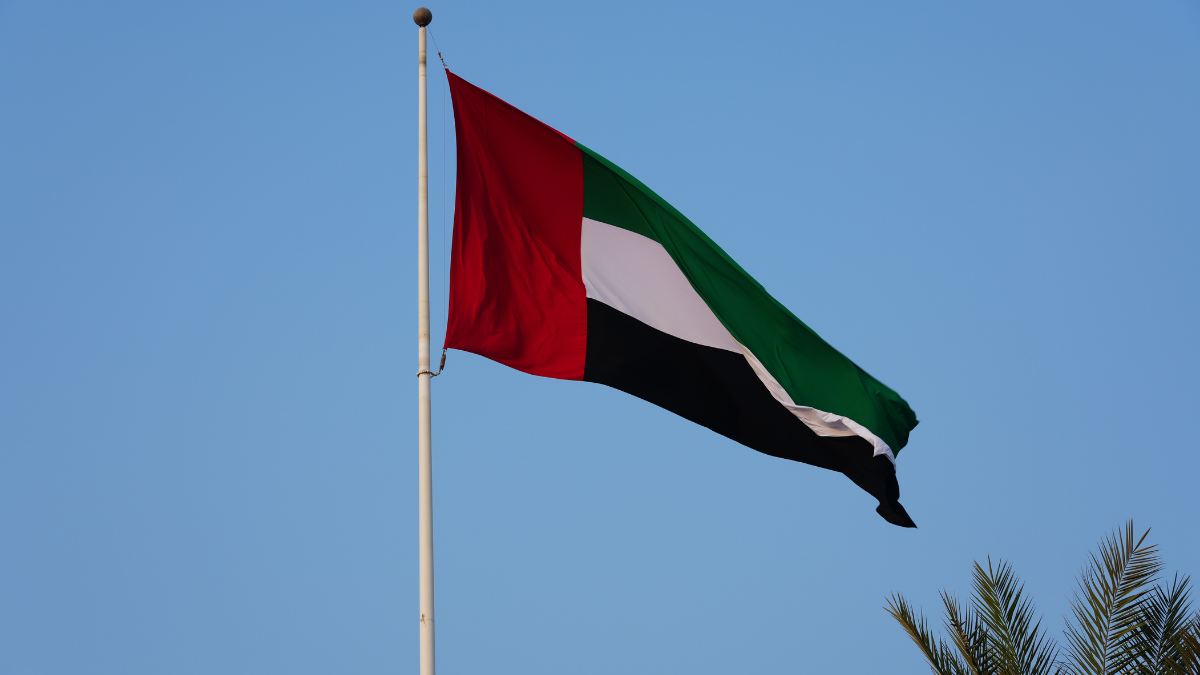

The United Arab Emirates registered the highest level of public confidence in government worldwide in 2026, according to a global trust survey released by New York–based Edelman Group.

The country posted a score of 80 out of 100, an eight-point increase from the previous year’s 72, representing the largest year-on-year gain recorded in the index. China matched the UAE’s overall score but saw a smaller rise, moving from 77 to 80.
Edelman’s annual assessment found that trust in governments, business leaders, and the media has grown more rapidly in developing economies, while confidence continued to weaken across advanced nations for a second consecutive year. The top tier of the index included the UAE (80), China (80), India (74), Indonesia (73), Saudi Arabia (73), and Nigeria (72).
In contrast, several major developed economies recorded markedly lower scores, including the United States (47), South Korea (46), Spain (45), Germany (44), the United Kingdom (44), France (42), and Japan (38).
The findings were released ahead of discussions at the World Economic Forum in Davos, Switzerland, where Edelman pointed to mounting global unease driven by geopolitical conflict, economic pressure, and rising nationalism.
The 2026 survey drew responses from roughly 37,500 participants across 28 countries, revealing a broad erosion of trust in institutions and senior leadership. As confidence in public systems falters, respondents increasingly identified their workplaces as the most reliable source of stability.

Trust patterns showed a clear divide between income groups. Over the past 25 years, the Trust Barometer has documented a steady decline in institutional confidence, now accompanied by a 15-point gap between high- and low-income earners globally. The United States exhibited the widest disparity, with a 29-point difference between the general public and elites.
Richard Edelman, the firm’s chief executive, said distrust has become the dominant public mindset, as many people feel excluded from decision-making and economic gains.
This sentiment extended beyond government. Six in ten respondents said actions by corporations and authorities had caused them harm or primarily benefited a small, wealthy segment of society. The prevailing mood, the report noted, has shifted from anger to cautious withdrawal.
Concerns over artificial intelligence also featured prominently. In countries such as the US, UK, and Germany, opposition to expanding AI use outweighed support by more than two to one, while 70% of Americans said corporate leaders were not being transparent about AI-related job losses. Lower-income and middle-income workers expressed particular anxiety about being left out of the benefits of generative AI.
Optimism about the future remained subdued. Only about a third of respondents believed the next generation would be better off, with especially low expectations in France, Germany, Canada, and the United States.
Amid these trends, the report identified a notable shift in perceptions of organizational ethics. For the first time, businesses were rated as more ethical than non-governmental organizations, with corporate ethics scores rising to 20 while NGO ratings fell to 17, positioning the business sector as the most trusted and effective institutional actor in the current environment.
