



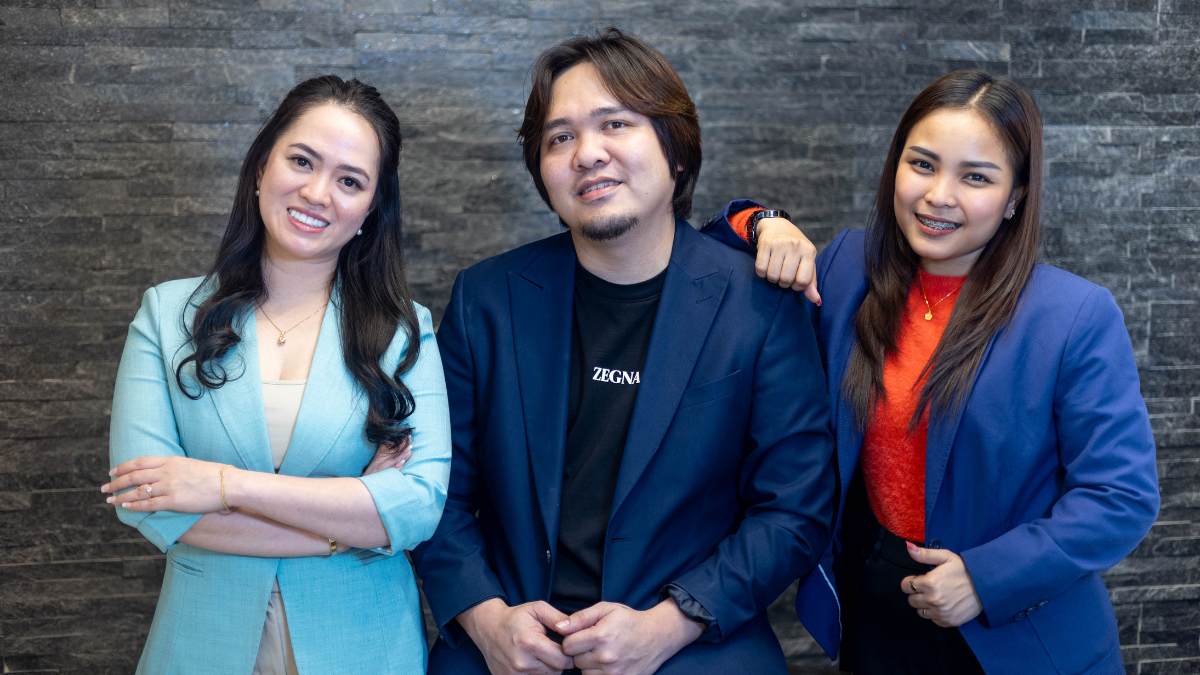

Professional mobility—not job titles—has become the defining outcome for a group of Filipino employees working under the UAE-based TKI Group of Company, where free education has been positioned as a core workplace practice rather than a fringe benefit.

The initiative, personally led by Takahiro Mogi, allows staff to pursue learning paths that are not limited to their original roles, enabling movement across departments and into senior management. The program is implemented across the group’s operations, which include its Saudi unit Dark Cow Trading Company and its UAE restaurant brands Kimuraya, Mogiya, Hisaya, and Omakaseya.
“Employees are the heart and soul of any business, which is why it is paramount to motivate and support them in every way we can,” Mr. Mogi said. “Our educational initiatives give our people equal opportunities to grow in whichever field they want to excel in.”
One of the program’s visible outcomes is the shift in internal career trajectories. Fatima De Guzman, who began as a human resources supervisor, now manages both HR and administration. She said the company’s approach to inclusion has helped create an environment where staff feel secure in expressing ideas and taking on responsibility.
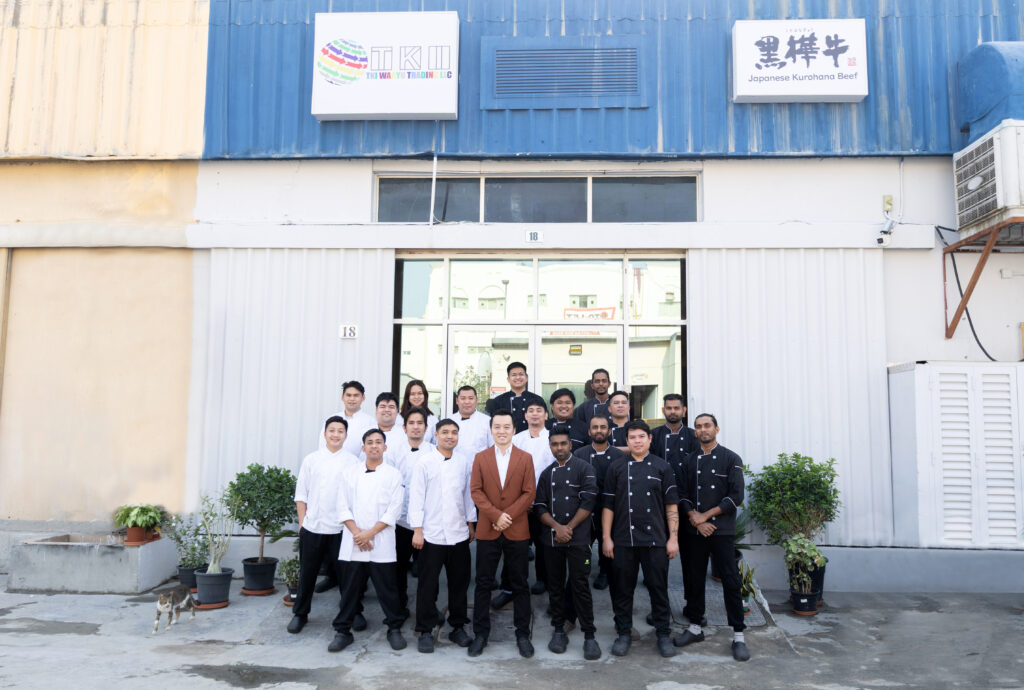
As a result, she said employees “perform better and collaborate more effectively, which in turn strengthens decision-making and innovation.”
De Guzman added that education-centered wellness strategies should address more than professional skills alone. “In the long run, this reduces burnout, increases loyalty and builds a healthier, more productive organization,” she said.
Operational leadership within the group has also evolved through the same framework. Ken Barona, who transitioned from a kitchen role to overseeing regional head office operations, said formal learning support made it easier to adapt to broader responsibilities.

“We have learning and school programs that help employees expand their knowledge beyond their current roles,” he said.
Barona emphasized that development is not a one-way process. “Learning requires effort from both sides. I can teach and guide, but people must also be willing to help themselves. Continuous self-improvement is essential for career growth,” he said.
From the creative and finance side of operations, Rodessa Marie Alivarvar said the program enabled her to move beyond her original role as a graphic designer into managing design and accounts while overseeing the company’s creative workflow.
“Our company is already doing this, and I am grateful for the opportunity to be involved and to learn more through these initiatives,” she said.
Alivarvar noted that the transition required adapting to unfamiliar systems, developing decision-making confidence, and remaining open to feedback across departments. “Valuable ideas can come from anyone, regardless of position, so listening, observing and accepting feedback are essential,” she said.
De Guzman said the internal impact of such support is reflected externally, noting: “A business becomes appealing to customers when its internal culture is strong. Employees who are supported, trained and treated fairly naturally deliver better service.”
Mr. Mogi said future company growth will continue alongside the expansion of the education program, maintaining equal access for both new and long-serving employees. “Business is about earning, but you cannot put a price on equipping individuals with new skills that they will be able to take and build upon,” he said.
