



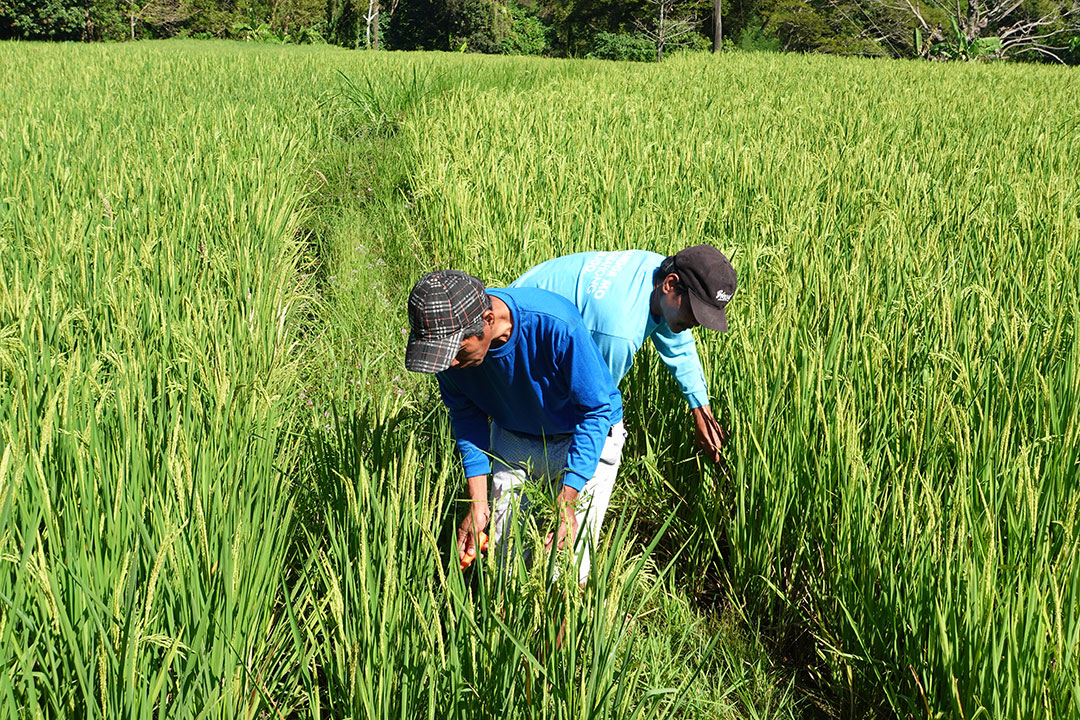

The Department of the Interior and Local Government (DILG) has expressed full support for President Ferdinand R. Marcos Jr.’s Executive Order No. 101, which mandates the complete implementation of the Sagip Saka Act or Republic Act No. 11321—a landmark law that aims to uplift farmers and fisherfolk through direct government procurement and enterprise development.

In a statement released by the department, Secretary Juanito Victor C. Remulla said the DILG stands firmly behind the directive, describing it as “an initiative that strengthens the government’s commitment to uplift the lives of farmers and fisherfolk by promoting direct procurement from accredited cooperatives and enterprises.”
The DILG emphasized that Executive Order No. 101 “ensures transparency and accountability in public spending while reinforcing local economies and advancing food security across the country.”
The Sagip Saka Act, signed into law in 2019, institutionalizes the Farmers and Fisherfolk Enterprise Development Program (FFEDP) under the Department of Agriculture (DA). The program supports agricultural and fishery enterprises through financing, capacity building, technology access, and government-backed market linkages. One of its key provisions allows national and local government agencies to directly purchase goods from accredited farmers’ cooperatives and enterprises—bypassing the usual public bidding process to benefit small producers directly.

Remulla called on local government units (LGUs) to take the lead in enforcing the policy:
“We urge all LGUs, as frontliners of local development, to support EO 101 by prioritizing the purchase of locally produced goods from FFCEs for their programs and projects, including local events, canteens, and disaster preparedness initiatives.”
The DILG added that it stands “with the Department of Agriculture, other national agencies, and the Office of the President in advancing inclusive and transparent governance that drives rural development and uplifts Filipino communities under a Bagong Pilipinas.”
