





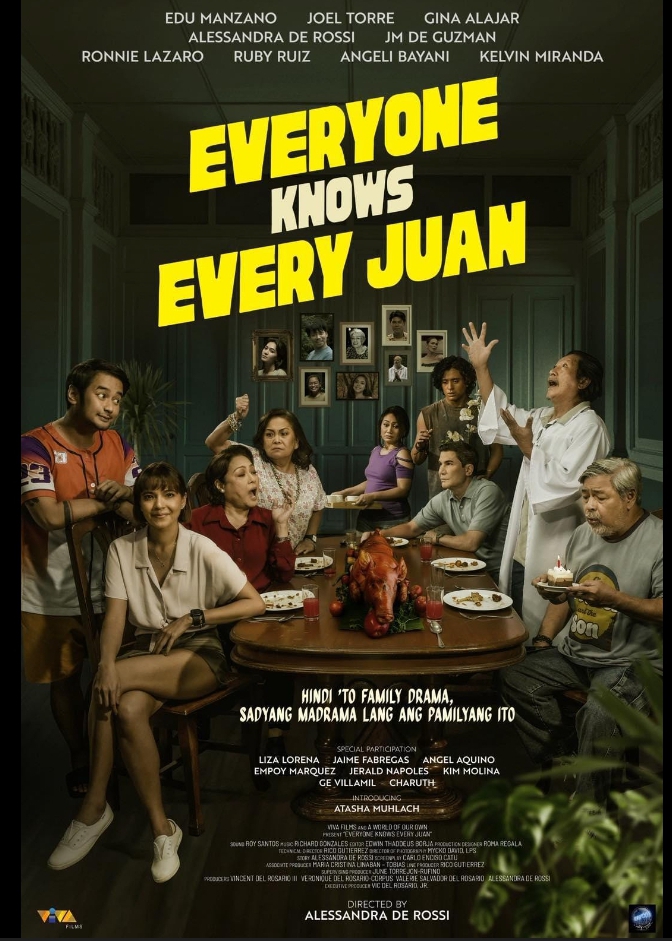
In a bold formal gambit, the film ‘Everyone Knows Every Juan’ invites us into one ancestral house for one long haunted night, the camera tracing every corridor, every sigh, every silence of a family crumbling under its own weight.

Directed by the multi-talented Alessandra de Rossi, and featuring an ensemble cast including Edu Manzano, Gina Alajar, Joel Torre, Ronnie Lazaro, Ruby Ruiz, JM de Guzman, and Kelvin Miranda (as Jacob), the family’s trusted gardener. The film is less about plot twists and more about being immersed in real time as a family unveils its truths.
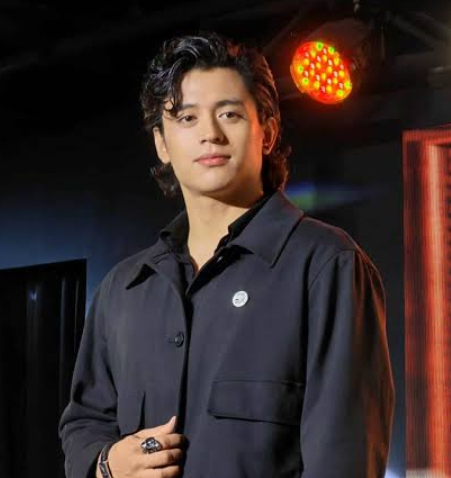
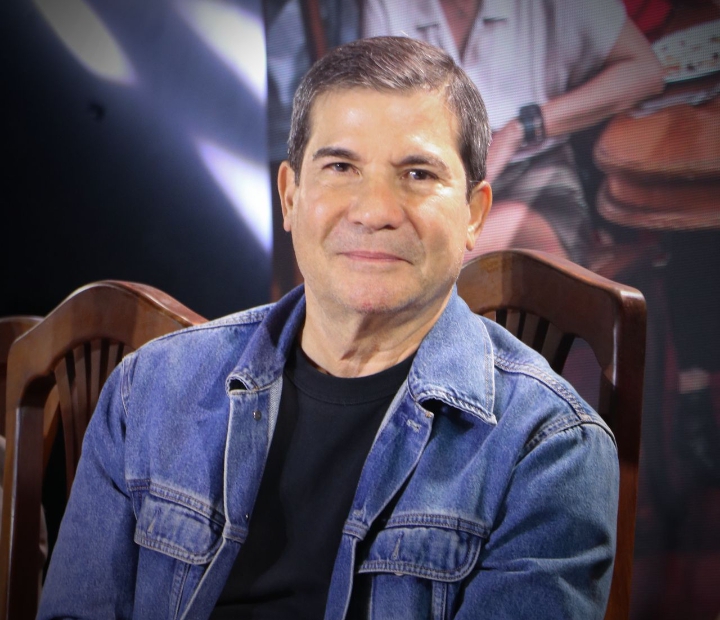
Alessandra de Rossi has spoken candidly about the challenges of wearing many hats, acting, writing, directing. She once remarked:
“That you can tell your story however you like it. You call the shots, and nobody can tell you what to do.”
Everybody came prepared to the set … but Alex knows what she wants to do. She listens to your suggestions. Pero gagawin ko pa rin yung gusto niya.
It is precisely this clarity of vision that undergirds ‘Everyone Knows Every Juan’. The ‘one-night, one-take’ structure is not a gimmick but a formal device that forces us into the intimate geography of space and psyche.
According to press reports, the ‘day effect’ alone consisted of 39 sequences shot in three takes each, while the ‘night effect’ was reportedly done in one continuous take. The result, we become guests stuck in the house, unable to look away until dawn. The camera never turns off.
The film opens on the driveway/front porch. Siblings arrive one by one. Tupe (Edu Manzano) in his camper van, Josie (Ruby Ruiz) in a tricycle she cannot afford, Rose (Gina Alajar) in a red car. The camera hovers at the threshold, capturing the arrivals in full.

Here, the vehicle each character uses is metaphor, status, success, failure. The camera’s gradual movement from outside to inside signals the entry into the family’s past, memory, quiet wars, unspoken resentments. There’s no cut. The living room becomes the first stage of ritual.
The siblings gather in the living room for their mother Juaning’s death anniversary. The camera sweeps across the space, wide, medium, intimate. It navigates furniture and figures, capturing forced smiles, sideways glances, uneasy silences.
This living room is what the family shows the world, it is also what they hide behind. Because the shot does not cut away, the camera becomes voyeur and confessor simultaneously. We feel the air thicken, the laughter begins to crack. The camera holds the frame, we hold our breath.
Though not detailed in full, we sense a crucial part of the film takes place around the dining table. The camera may circle or push in and out, capturing expressions without relief. The table is the heart of intimacy and conflict, voices raise, revelations happen, alliances shift.
Because the shot remains unbroken, we inhabit the moment—no escape, no reset. The camera’s path across the table mirrors the paths of these siblings, ambition, guilt, inequality. The ritual of the meal becomes the scene of the rupture.

Moments of revelation are staged in smaller, darker spaces, the mother’s bedroom, hallways, outdoor veranda perhaps. The house is described as ‘crumbling’, both physically and metaphorically. The camera carries us from the public face of living room to hidden corners of resentment and fear.
In these transitions, we sense the architecture of the family, hallways become arteries of emotion, corners hold unspoken truths, shadows swallow confessions. Because the camera never cuts, each step feels irreversible. We are with the characters in their midnight journey.
Once night descends, the structure tightens. The single-take night effect propels us into an immersive intimacy. Lighting dims, ambient sound rises, faces emerge in shadow. The house shrinks, the camera’s path becomes more deliberate, slower, laden.
Facades fall under the one‐take constraint. The camera becomes our anchor as the characters, siblings who are adults now, must face what they’ve inherited, memory, roles, guilt, dreams deferred. There’s no relief in the edit; only the ticking of the night.
As Alessandra de Rossi herself put it for her earlier directorial work,
“If you really have the purest of intentions, then it is possible to not cross the line and just be there for each other…”
In ‘Everyone Knows Every Juan’, the siblings are the ‘adult version’, long past youthful mistakes, now wrestling decades of consequence. The house, the cars, the drive to arrive, it all speaks of legacy. Not just what is inherited, but who we become because of it.
The camera’s movement charts that legacy, from porch to living room, dining table to hallway, private to public. We feel class, ambition, failure, ego, without a single intercut. It is the luxury of breathing space, and the penalty, you cannot leave until the debts are named.
This film matters because the formal risk, one house, one night, one continuous camera—aligns so perfectly with the emotional architecture of the story. The camera doesn’t merely record, it lives within the family’s world. It sees the façade, then the cracks, then the collapse.
And the cast? They deliver. Kelvin Miranda as Jacob anchors one of those characters whose arrival belies more than just a vehicle. Joel Torre, Ronnie Lazaro, JM de Guzman bring the weight of years. Alessandra de Rossi’s direction guides us through the house and through the lives.
If you step into that Sevilla house, stay for the night, you will leave changed. Because ‘Everyone Knows Every Juan’ isn’t just watched, it is lived and experienced. Room by room, take by take, heart by heart. It reminds us that a house is more than wood and brick—it is memory made manifest. And a camera that refuses to cut away forces us to stay with it.
This is a film that trusts its audience to sit in the living room, partake at the table, wander the corridors, confront the darkness—and maybe, just maybe, forgive themselves and their past a little.
Prepare for a long, restless night. And when the dawn comes, you will know what you have seen.
‘Everyone Knows Every Juan’ is a beautiful movie we should must all see and experience.
