



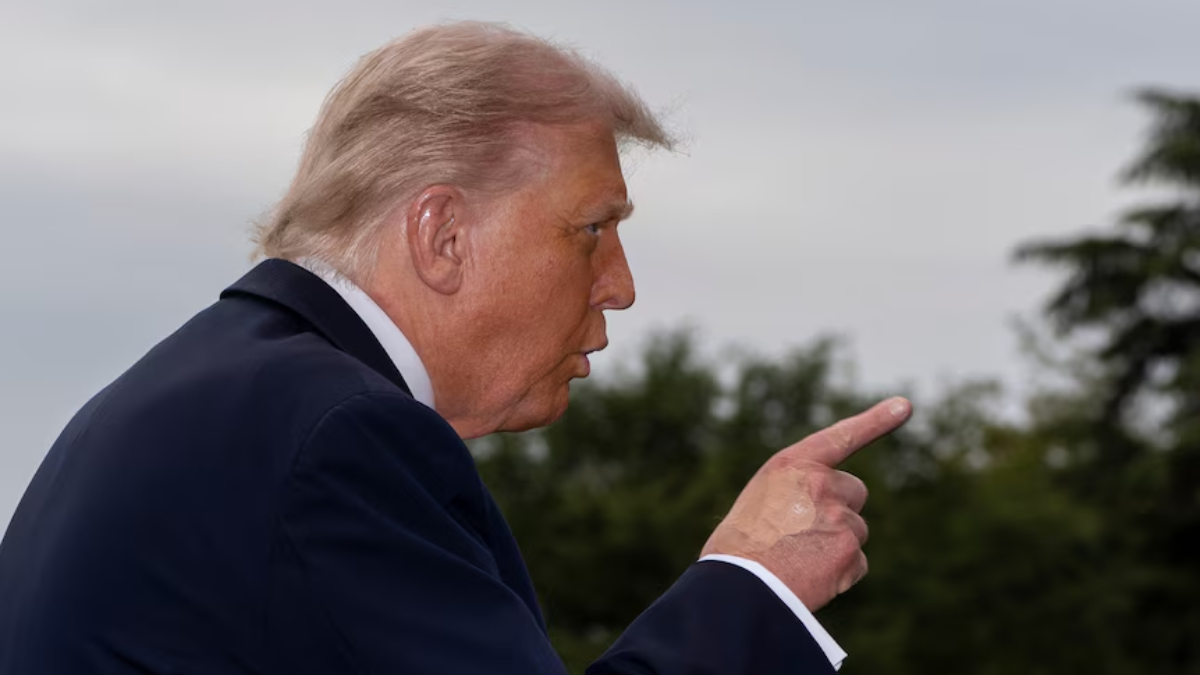

US President Donald Trump on Friday signed a proclamation that adds a hefty $100,000 annual fee to H-1B visa applications, a move that marks another step in his administration’s sweeping crackdown on immigration.

The H-1B program, designed for highly skilled foreign workers, has long been dominated by Indian and Chinese professionals. In 2025, more than 70 percent of approved applicants came from India alone. Tech giants such as Amazon, Microsoft, and Meta are among the biggest users of the program, with Amazon and its cloud unit AWS securing around 12,000 visas this year.
Commerce Secretary Howard Lutnick defended the new policy, saying it was crafted to push companies toward hiring more American workers. “All of the big companies are on board. We’ve talked to them,” Lutnick said. “If you’re going to train somebody, you’re going to train one of the recent graduates from one of the great universities across our land. Train Americans. Stop bringing in people to take our jobs.”
Trump echoed that sentiment in remarks from the Oval Office. “We need workers. We need great workers, and this pretty much ensures that that’s what’s going to happen,” he said, adding that he expects tech firms to be “very happy” with the change.

In a surprise addition, Trump also announced a new $1 million “Trump Gold Card” visa, which offers a potential fast track to US citizenship. Companies may sponsor individuals for $2 million under the scheme, creating what critics describe as a tiered system favoring the wealthy.
The new measures have sparked debate across the tech industry and among immigration advocates. Supporters argue the reforms will boost opportunities for American graduates, while critics warn that tightening the H-1B system could weaken the country’s edge in innovation and saddle companies with millions in extra costs.
Details remain unclear on when the new fee will take effect, or whether it will face legal hurdles. Normally, visa fees require congressional approval and months of public deliberation. Current H-1B fees range from $1,700 to more than $4,000, according to CBS News.
