



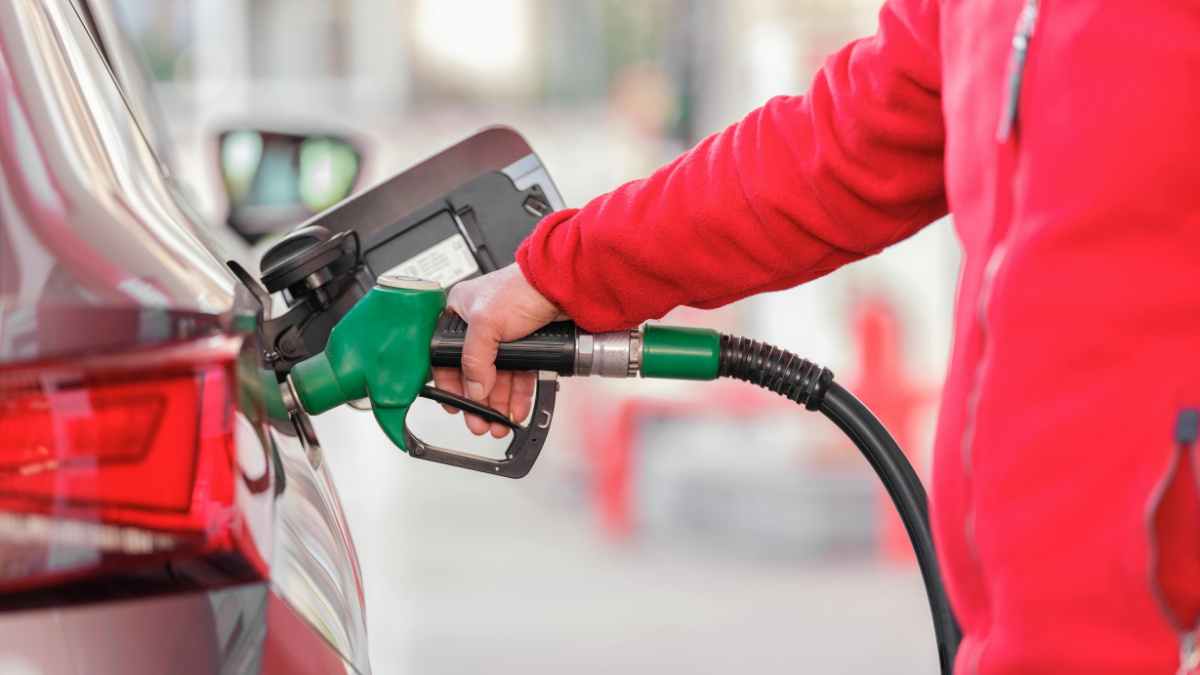

Motorists in the Philippines are facing a steep fuel price hike next week, with the Department of Energy (DOE) warning that per-liter increases may reach nearly ₱5 for some products due to escalating geopolitical tensions between Israel and Iran.

According to DOE estimates, gasoline prices are projected to climb by ₱2.50 to ₱3, diesel by ₱4.30 to ₱4.80, and kerosene by ₱4.25 to ₱4.40 per liter. The final adjustments, based on global oil trading data from the past week, will be announced on Monday, June 23, and will take effect the next day.
“A major oil price shock is looming, as the Israel-Iran conflict threatens critical global shipping passage,” said Rodela Romero, assistant director of the DOE’s Oil Industry Management Bureau. She pointed to potential disruptions in the Strait of Hormuz, a vital route for global energy supplies.
Jetti Petroleum president Leo Bellas added that rising prices were also driven by concerns that deeper U.S. involvement could inflame the conflict further, endangering energy infrastructure.
In response, the DOE said it stands ready to extend fuel subsidies to public utility vehicles if the situation worsens. “Our immediate priority is to ensure that our fuel supply remains stable and sufficient, and that any local price adjustments are managed in a way that minimizes disruption to our economy,” said DOE Officer-in-Charge Sharon Garin.
Despite the looming increase, the Land Transportation Franchising and Regulatory Board (LTFRB) clarified that no fare hike has been approved yet for public transportation.

“We want to be clear: no fare increase has been approved at this stage,” LTFRB Chairman Teofilo Guadiz III said. He added that the agency is waiting for the results of an economic impact study by the National Economic and Development Authority before deciding on pending fare hike petitions, some of which propose a ₱1 increase.
Meanwhile, former Bayan Muna representative Carlos Zarate is pushing lawmakers to refile the Lower Oil Prices Bills Package, citing the urgency of shielding consumers from volatile international oil markets.
“The continuous increase in oil prices did not only affect the transportation sector, but also the basic necessities of the people. We need to act now to protect the people against opportunist oil companies,” Zarate stressed.
The package includes five legislative proposals ranging from tax cuts on petroleum products to government oversight and price transparency in oil pricing. Zarate specifically underscored the need for the Oil Price Unbundling Bill, saying: “We have been kept in the dark for too long about how these oil companies determine their prices and profit margins.”
As global crude oil prices rise, with Dubai crude reaching $73 per barrel, the DOE is appealing to oil companies to implement staggered price increases to ease the burden on consumers.
